

Is One Night in Florence Worth It? No. Here’s Why.
One night in Florence is not a Florence experience. It’s a Florence checkbox. And there’s a difference.
I’ve lived in Italy since 2022 and traveled to all 20 regions. I’ve seen a lot of Italy trips go sideways, and the pattern is almost always the same: too many cities, not enough time in any of them. Florence is where this plays out the most visibly. People arrive optimistic, leave exhausted, and go home feeling like they technically saw Florence without really understanding why it felt hollow.
If you’re asking whether one night in Florence is worth it, that’s actually the right question. Most people don’t ask it until they’re already on the ground regretting it.
This post is going to give you a straight answer, explain exactly what you lose in a one-night stop, and help you figure out what to do instead.
Quick answer: One night in Florence is not worth it. You’ll spend most of your usable hours dealing with logistics — getting there, checking in, checking out — and almost none of them actually experiencing the city. Three nights is the minimum that makes Florence make sense.
What a One-Night Stop in Florence Actually Looks Like
Let’s run through the real timeline, because this is where most people fool themselves.
Say you arrive by train from Rome or Venice. Getting from Santa Maria Novella to your accommodation takes 30 to 45 minutes if you don’t know the city well — longer if you’re dragging bags, using maps for the first time, and trying to figure out which streets are pedestrian-only (a lot of them).
You probably can’t check in until 3pm. So if you arrive at noon, you’re stuck with your luggage for a few hours. You’re wandering Florence with 50 pounds of bags between two people, which is not exploration. That’s just managing your stuff in a beautiful setting.
Let’s say you check in at 3, get settled by 4, and head out. You have a few hours before dinner. If you’re eating the way you should in Florence — a real sit-down meal at a real restaurant — dinner starts around 8 and wraps up around 10, 10:30. That’s not an exaggeration. An authentic meal in Italy takes time. That’s the point.
So your “evening in Florence” is about four hours of actual movement, with a good portion of it spent just orienting yourself.
Then checkout is 10 or 11am the next morning. Your train or next destination is probably mid-morning. You squeeze in a coffee and a walk, then you’re out.
Total usable time in Florence: roughly 18 hours, of which maybe 8 to 10 involve anything resembling the city itself.
That’s not a Florence experience. That’s a layover with a nicer hotel.
The Luggage Problem Nobody Talks About
Here’s the part that sounds small but is genuinely ridiculous when you’re living it.
Imagine hauling your bags from the train station to your apartment or hotel, unpacking just enough to pull out one outfit and your toiletries, showering, going to bed, and then repacking everything in the morning to move on.
That’s what a one-night stop actually is. You’re not settling in anywhere. You’re performing the motions of travel without any of the payoff. The physical and mental cost of that — unpacking, repacking, navigating a new neighborhood, orienting to a new place — doesn’t disappear just because you’re excited to be in Italy. It compounds across the trip.
Every one-night stop adds a full cycle of that. By the time you’re two or three cities in, you’re not a traveler anymore. You’re a logistics coordinator.
Why It Feels Productive (But Isn’t)
This is the core of the problem. One-night stops feel efficient. You’re covering ground. You’re seeing multiple cities. You can say you were in Florence, Venice, Rome, Cinque Terre, and Naples. On paper, that looks like a rich trip.
What you’re actually doing is spending your energy on transitions instead of experiences. Every city change burns time, money, and mental bandwidth that could have gone into actually being somewhere. The train itself is not rest. You arrive tired, you leave before you’ve recovered, and you do it again.
The travelers I’ve seen do this — and I’ve watched this pattern play out more times than I can count — almost all say the same thing afterward: they wish they’d stayed somewhere longer. Nobody comes back from Italy saying they should have added more cities. They come back saying they should have slowed down.
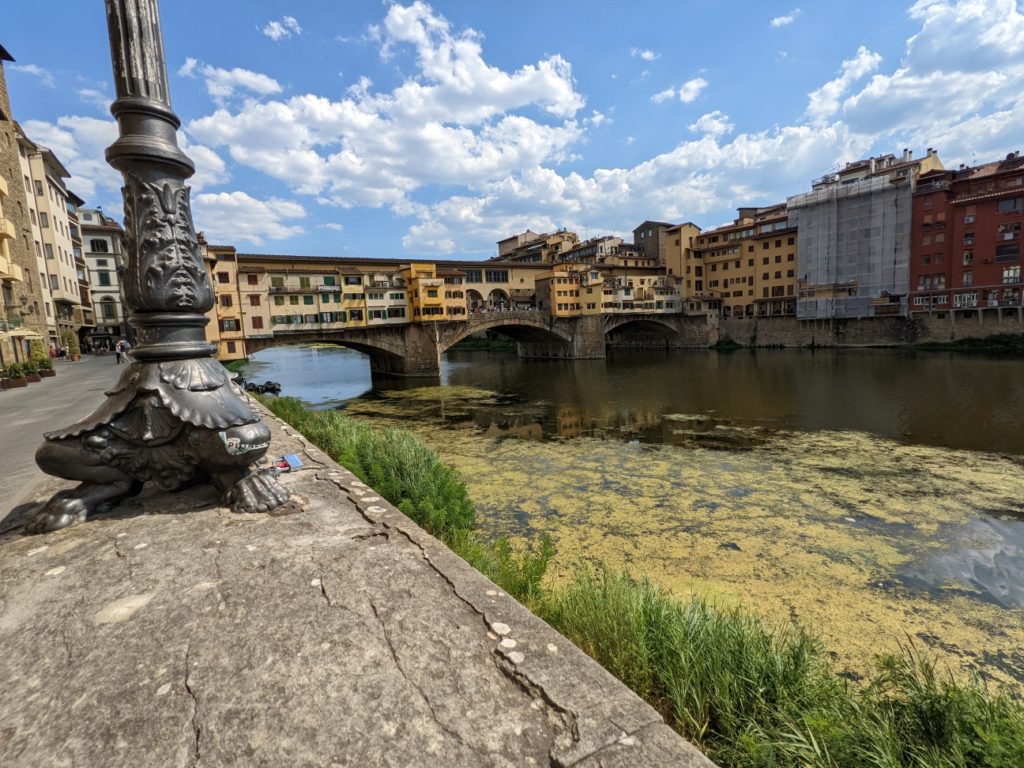
Florence in particular has this effect. I’ve talked to a lot of people about their Italy trips, and the city that comes up most consistently as “I wish I’d spent more time there” is Florence. Not Rome, not Venice — Florence. And it makes sense once you understand what the city actually is. It’s not just a museum stop. It has the Accademia, the Uffizi, the Duomo climb — serious attractions that each deserve real time. But beyond those, it’s also a city people just want to walk around in. The neighborhoods on both sides of the Arno, the markets, the aperitivo scene, the nightlife — Florence has a life to it that you only find if you’re there long enough to stop sightseeing and start existing in it. One night never gets you there.
What You Actually Need Florence to Do
Florence is not a city that rewards skimming. The Uffizi alone deserves a few hours if you’re going to do it properly, not a rushed 90-minute sprint before you have to get back to the hotel. Piazzale Michelangelo at sunset is one of the better views in Europe, but you need to time it right and get there without a suitcase. The Oltrarno neighborhood — the south side of the Arno, where far fewer tourists go — takes an unhurried afternoon to explore.
None of that fits into a one-night stop.
Florence also has a learning curve. The city looks deceptively small on a map. It’s walkable, yes. But figuring out where to eat, which streets are worth wandering, and how to avoid the tourist traps clustered around the Duomo takes a day to calibrate. Most people on a one-night stop are still calibrating when they leave.

Three nights is the minimum that gives you a fighting chance. Two nights if your trip is genuinely short and you understand you’re getting an appetizer, not the meal.
The Trap: Hotels Lock You In
Here’s where a one-night Florence stop becomes more than an inconvenience. It becomes a structural problem.
Once you book your hotels, you’ve committed to a pace. If you realize on day three of your trip that Florence deserved more time, there’s nothing you can do about it. The hotel in your next city is already paid for. The train is booked. You’re locked in.
This is why the question of how many nights to spend somewhere needs to be answered before you start booking anything. Not after. Not mid-trip. Before.
The itinerary mistakes that ruin Italy trips aren’t made on the ground. They’re made at home, three months out, when everything still feels flexible and you think one more city won’t matter.
It does.
If you’re still in the planning stage and want to make sure your itinerary isn’t already broken,One More City Will Ruin Your Italy Trip is a 30-minute pre-booking reality check that helps you catch these mistakes before hotels and trains are locked in. $29.
What to Do Instead
If you’re currently planning an Italy trip and Florence is on your list:
Give it three nights minimum. If your total trip is 10 days or fewer and you’re trying to hit four or more cities, something needs to come off the list. Florence should not be that thing. Florence should be where you cut from, not cut to.
If your itinerary already has Florence at one night and you’re not yet booked: change it now. Move a night from somewhere else, or remove a stop entirely. A tighter itinerary with more time per city will always feel better on the ground than a wide itinerary with no room to breathe.
If you’re already locked in at one night: go in with realistic expectations. See one or two things. Eat one really good meal. Don’t try to cover the whole city. Accept that this is a preview, not the real thing, and plan a return trip where you actually stay.
Is One Night in Florence Worth It If You Have No Choice?
Sometimes you genuinely don’t have more flexibility. A wedding, a flight, a work deadline. Life is not always cooperative.
If one night is truly all you have, here’s how to make it less painful:
Book accommodation as close to the center as your budget allows. Every extra minute of walking time with bags is time you’re not spending on the city. Get there as early as possible — a morning arrival gives you a few usable hours before check-in. Before you arrive, message your host or hotel directly and ask if you can drop your bags before the official check-in time. Most will say yes if the room isn’t ready, and it costs you nothing to ask. If that doesn’t work out, the bag storage at Santa Maria Novella (Deposito Bagagli at SMN) is easy and affordable — but treat it as the backup, not the plan. Pick one neighborhood to know well rather than trying to cover the whole city. Eat one meal that’s worth the experience, not three rushed ones.
And then: come back. Florence is the kind of city people return to. If your first visit is one night, let that be the reason you go back.
Key Takeaways
- A one-night stop in Florence gives you roughly 8 to 10 hours of usable city time after accounting for check-in, checkout, and an evening meal. That’s not enough.
- The physical and mental cost of unpacking and repacking for a single night compounds across a multi-city trip and drains energy faster than people expect.
- Three nights is the realistic minimum for Florence to feel like a stay rather than a stop. If your itinerary can’t support that, something else needs to come off the list.
Before you book: a quick reality check
If you’re reading this while still planning your trip, this is the right moment. Once hotels are booked and trains are locked, advice like this arrives too late.
One More City Will Ruin Your Italy Trip is a 30-minute video I made for first-time Italy travelers who are about to overpack their itinerary and don’t realize it yet. It covers exactly why one-night stops fail, how to test whether your plan is already too compressed, and what to cut before you commit. $29 — less than a train ticket, and a lot cheaper than a ruined day in Italy.
Final Thoughts
The question isn’t really whether one night in Florence is worth it. Technically, yes — Florence is beautiful, and even 10 hours there beats not going at all.
The real question is whether it’s worth what it costs your trip overall. One-night stops feel like they’re adding to your trip. What they’re usually doing is skimming value from it. You leave feeling like you saw something without understanding it, and the accumulated exhaustion from city-hopping makes everything after it worse.
Italy is a country that rewards you for slowing down. Florence especially. Ask anyone who’s been — the near-universal answer is that they wish they’d had more time there. Not more attractions, not a better hotel. Just more time. The travelers who come back saying it was the trip of their life almost always spent more time in fewer places than they originally planned.
What I’ve Learned Living Here
After three years living in Italy and spending real time in Florence across multiple visits, the thing that sticks with me is how much the city changes when you’re not rushing. The first time you walk across Ponte Santa Trinita without a bag on your back and nowhere to be for two hours — that’s when Florence clicks. One night doesn’t get you there. Give yourself the time to let it.
Written by Anthony Calvanese — an American living in Italy since 2022 who’s traveled to all 20 regions. Worried you’re fitting in too much? One More City Will Ruin Your Italy Trip before you book.
FAQ
Is 2 nights in Florence enough? Two nights is better than one, but it’s still tight. You’ll get a full day in the city, which is enough to see the main sights if you’re focused. Three nights gives you the flexibility to slow down, recover from travel fatigue, and actually explore without an agenda every hour.
What should I do if I only have one night in Florence? Focus on one neighborhood, eat one excellent meal, and store your bags at the station rather than carrying them around. Don’t try to see everything. Accept it as a preview and plan to come back.
How many days do you need in Florence? Three days is the realistic minimum for a first visit. Four days gives you time for a day trip to the Chianti countryside. Anything less and you’re spending more time on logistics than on Florence itself.
Planning your own trip? Grab my Italy Trip Reality Checklist to avoid the most common travel mistakes.