
Is Milan Worth It? The Fast City That Rewards Slow Travel
The first time I went to Milan, I hated it.
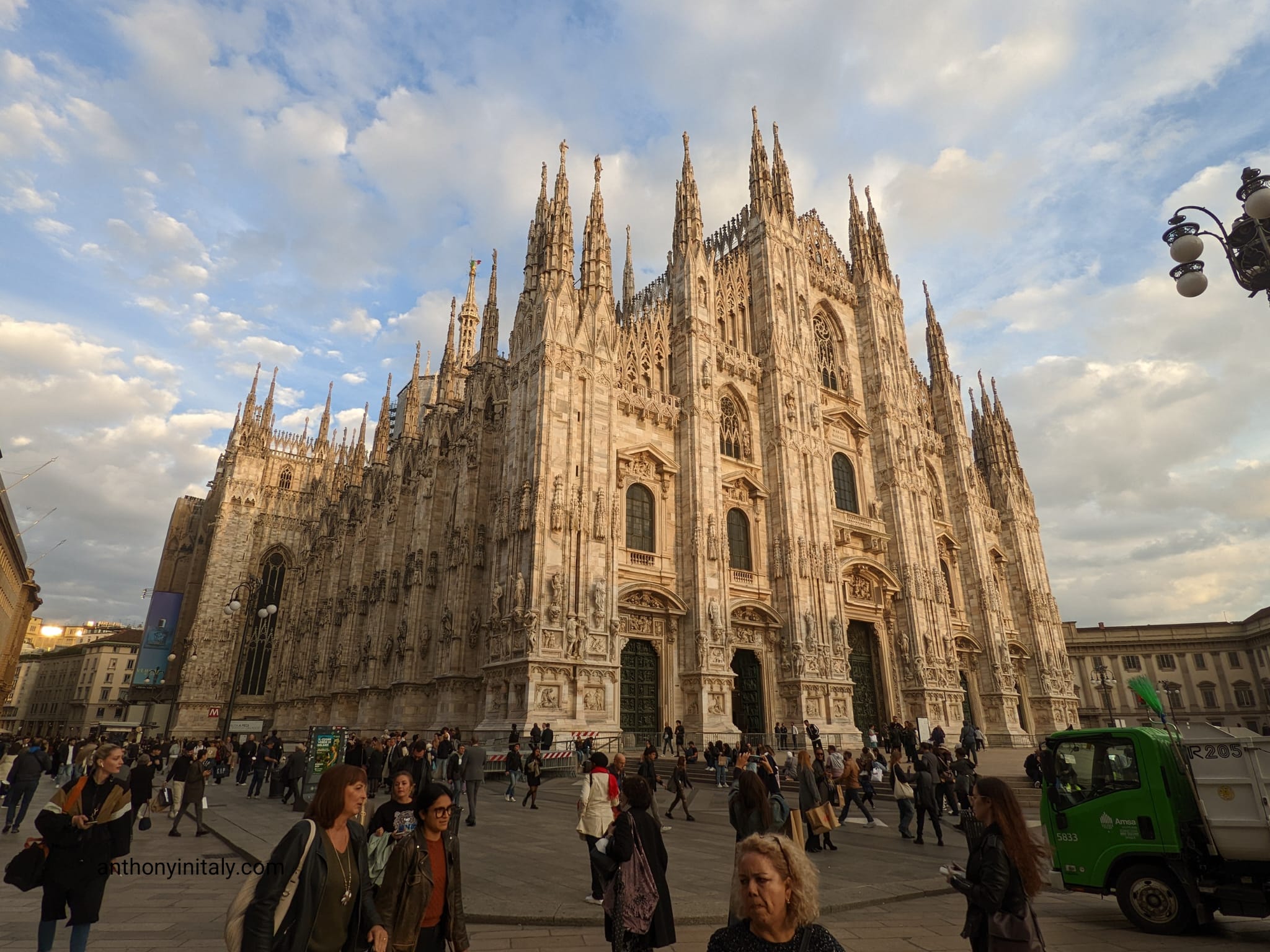
I spent one night there with my sister, saw the Duomo, and paid something like $18 for an Aperol Spritz at one of those tourist traps right next to the cathedral. It was modern, it felt cold, and I left thinking — yeah, I get why people skip this place.
Then I went back for a week. And I completely changed my mind.
Milan Is Not for the Average Tourist
Let me be upfront: if you have one or two days to spare, I wouldn’t go to Milan. Spend those days somewhere else in Italy. The Duomo is beautiful, sure, but you’ll see it in an afternoon, overpay for food and drinks nearby, and leave with a vaguely underwhelmed feeling — exactly like I did the first time.
And don’t let the airport fool you into thinking it’s convenient. Malpensa is not close to the city. If your flight happens to go through there and you want to tack on a night before your trip home, fine. But don’t go out of your way for 48 hours in Milan. It won’t do the city justice, and the city won’t do you any favors either.
So Who Is Milan For?
Milan is for people who have time. People who like to slow down, settle in, and let a place reveal itself. It’s ironic, because Milan is the fastest, most modern city in Italy — but it’s also the one that most rewards patience.
They joke that Milan is the only European city in Italy. And there’s truth to that. It’s the financial capital, which means it actually has a working economy, functioning public transit, and — this might sound small but it matters — people on laptops in cafes.
That barely exists anywhere else in Italy outside of student towns. In Milan, you walk into a cafe and see people actually working. Remote workers, freelancers, entrepreneurs. As someone who works for myself and has spent a lot of time in Italy, I missed that culture. Milan has it.
The Best Thing About Milan: The People
Here’s what I didn’t expect: Milan is one of the best cities I’ve found for actually meeting people and making real connections.
Part of it is size — it’s one of the few Italian cities where big concerts always come through, events are always happening, and there’s a genuine social scene beyond the same few locals at the same few bars.
But the more interesting reason is this: a lot of the people you meet in Milan aren’t originally from Milan. They’ve moved there from Sicily, from Puglia, from Naples — places where people tend to be warm but close-knit, where it takes a long time to break into social circles because everyone already has their people.
When those same Italians move to Milan for work, they arrive without their network. And that changes them. They become more open, more willing to meet strangers, more curious about new people. The Italians I met in Milan who had moved from the south were some of the most welcoming I’ve encountered anywhere in the country.
Milan’s Neighborhoods: Where to Actually Spend Your Time
One of the best things about Milan is that different neighborhoods have completely different personalities. Here’s a quick breakdown of the ones worth knowing:
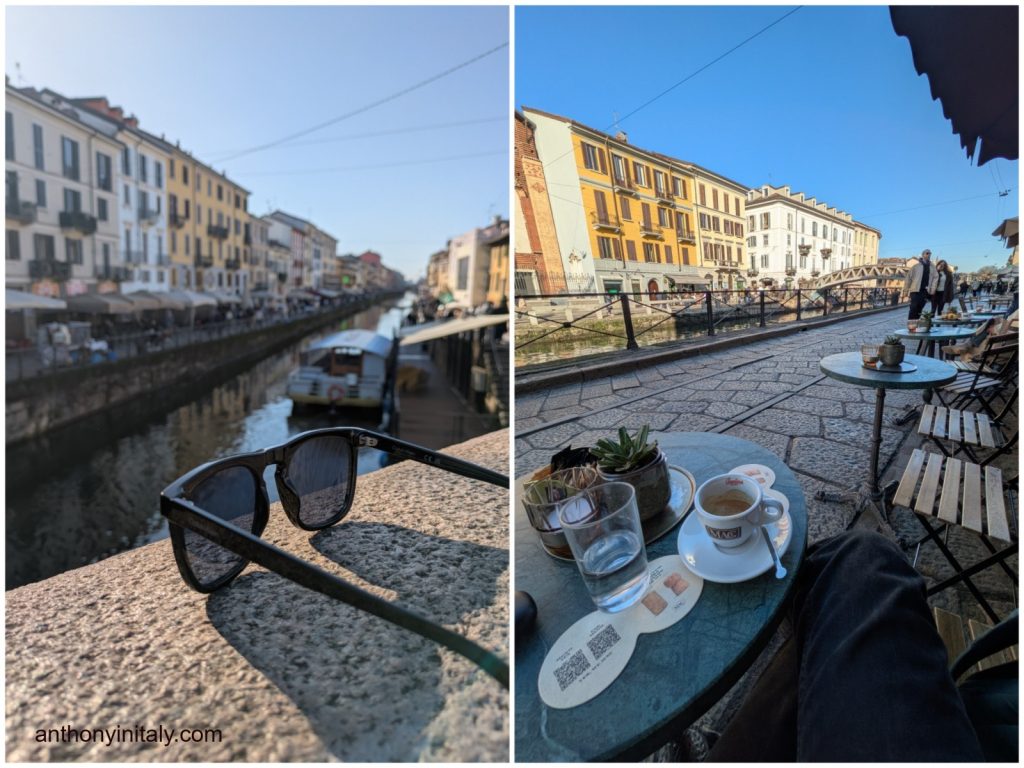
Navigli The canal district is the most well-known spot for nightlife and aperitivo. Bars line the Naviglio Grande, it’s young, lively, and walkable. Fair warning from locals: it can be pricey and touristy in spots — a €10 beer isn’t unheard of. But the energy is real and it’s genuinely fun, especially on warm evenings when everyone spills outside.
Brera Upscale, beautiful, and great for wandering. Think art galleries, boutiques, cobblestone streets, and good restaurants. It’s more polished than edgy, but it’s one of the most pleasant neighborhoods in the city to just walk around with no agenda.
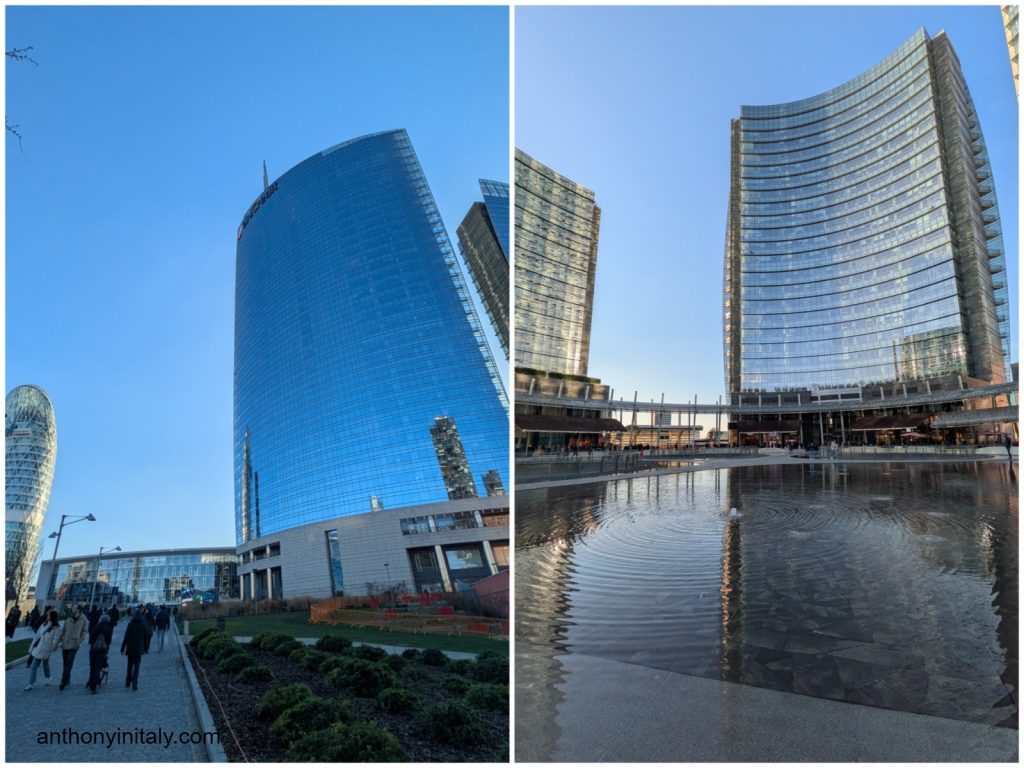
Isola & Porta Nuova Isola was the hipster neighborhood before it got fully gentrified — now it’s trendy and international, with good bars, the Blue Note jazz club, and Bosco Verticale (the famous vertical forest building) nearby. Great for networking and meeting people. Rents are higher here, but it’s one of the most socially active parts of the city.
NoLo (North of Loreto) This is where the cool kids moved after Isola got expensive. Cheaper rents, more cultural mix, a younger creative crowd, and still early enough in gentrification that it feels authentic. Think of it like Milan’s Brooklyn — scrappier, more interesting, and changing fast. Centered around Piazza Morbegno and stretching along Via Padova.
Porta Venezia Consistently recommended by locals for nightlife, bars, and a young diverse crowd. It also has some of the best Art Nouveau architecture in the city. A solid base if you want to be central without paying Brera prices.
The City Itself
Beyond the neighborhoods, Milan has more going on than most visitors realize.
There’s the historic center around the Duomo, obviously. But the public transit actually works, the city functions, and there’s a genuinely good international food scene — including a Chinatown with some of the best Asian food you’ll find in Italy. For Italy, that’s not nothing.
There’s also the National Museum of Science and Technology — one of the largest in Europe — housed in a 16th century monastery with full-size trains, submarines, and Leonardo da Vinci exhibit halls. It’s the kind of place you’d never prioritize on a short trip but end up spending half a day in.
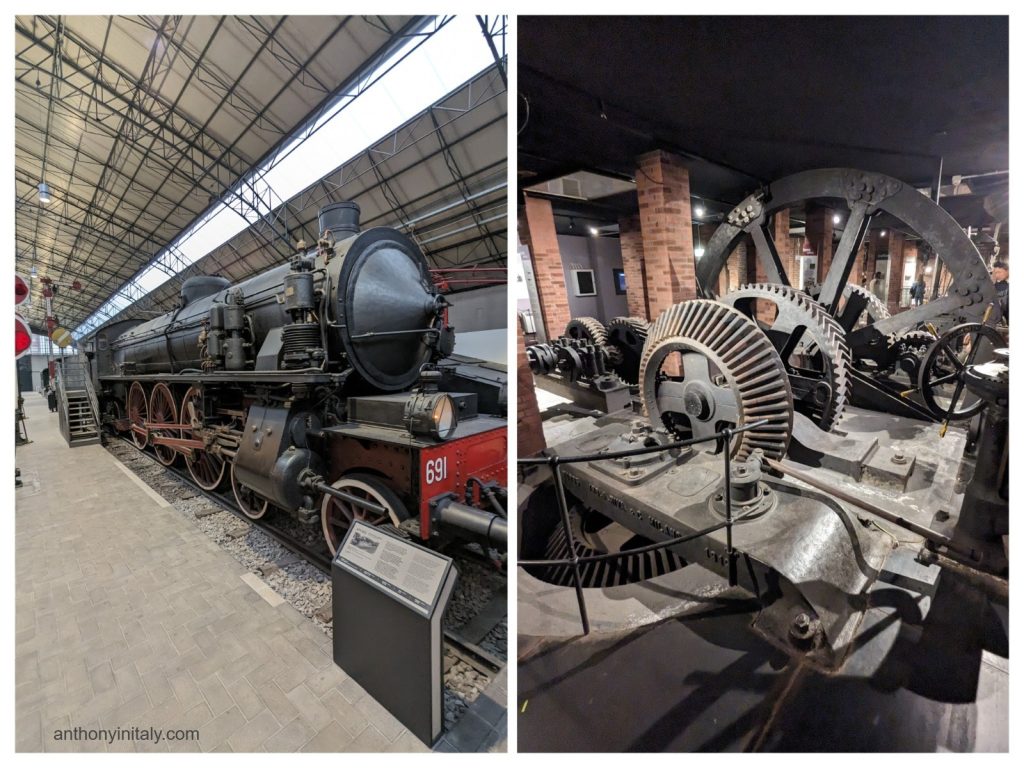
Big concerts come through regularly. There are always events. And unlike most Italian cities, you can get almost anywhere in northern Italy — and beyond — very easily from here.
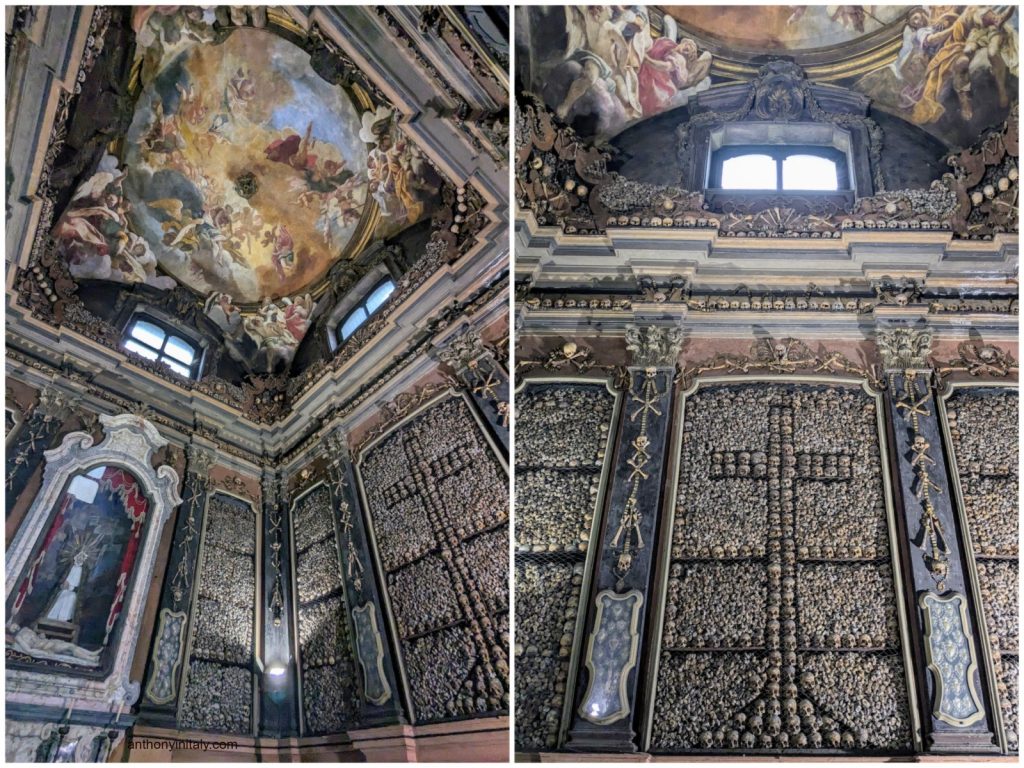
The Bottom Line
Milan punishes tourists and rewards travelers.
If you’re rushing through Italy with a checklist, skip it — or at least adjust your expectations. One night by the Duomo is not Milan.
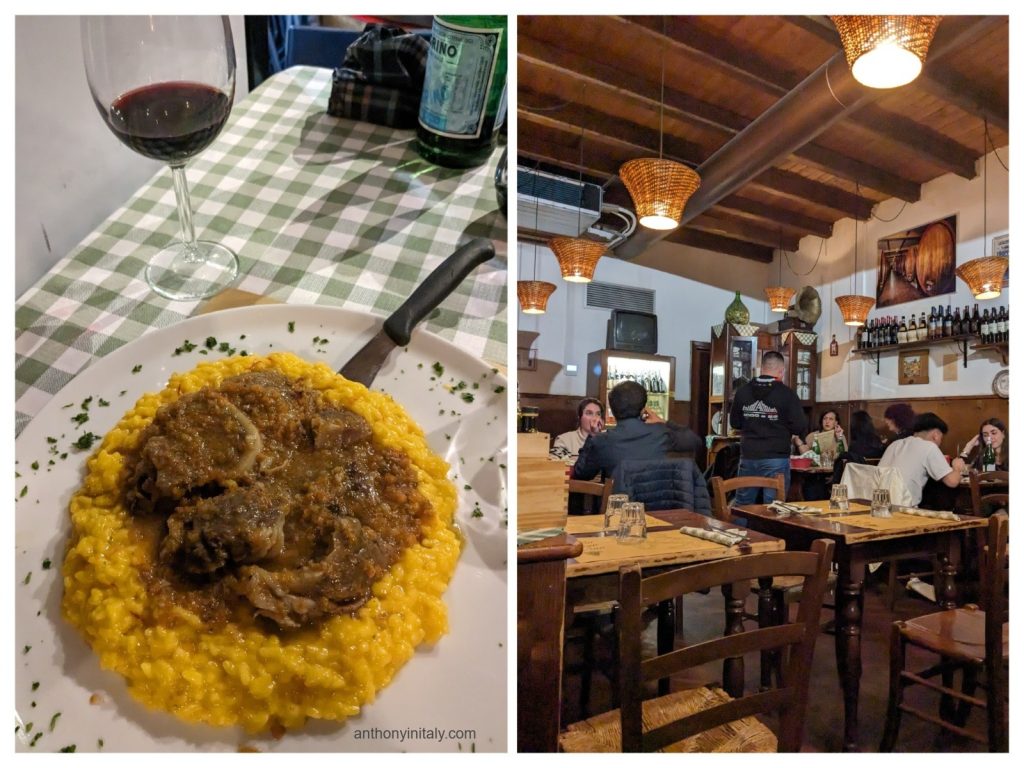
But if you have a week, and you’re willing to let the city open up to you? Go. Work from the cafes, talk to the transplants, eat something that isn’t pasta, take the metro somewhere with no plan. Milan will surprise you.
It surprised me.
Written by Anthony Calvanese, an American living in Italy since 2022 who has traveled across all 20 regions.
Planning your own trip? Grab my Italy Trip Reality Checklist to avoid the most common travel mistakes.