
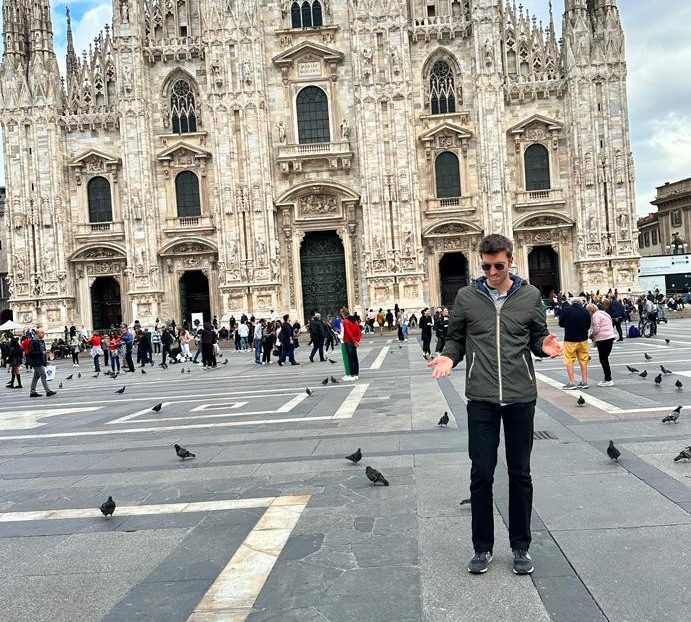
Milan Travel Guide: Where to Stay, Eat, and What to See
Disclaimer: This post contains affiliate links. If you use these links to buy something I may earn a commission. I will only recommend products and services that I would [or currently use] myself.
Milan Is More Navigable Than You Think
Milan has a reputation for being expensive and a little cold compared to the rest of Italy. Both of those things are partially true. But it’s also one of the easiest Italian cities to actually get around — the public transit works, you can tap to pay with a card, and you can get pretty much anywhere without thinking too hard about it.
I’ve been to Milan more than once, and my first impression wasn’t great. One night near the Duomo, an €18 Aperol Spritz, and I left thinking I understood the city. I didn’t. It took going back for a full week to actually see what Milan is.
This is my general rundown — neighborhoods, food, things to see, where to sleep.
Quick Answer
Milan rewards time, not tourism. A day or two near the Duomo won’t do it. If you have a week and you’re willing to let the city open up, it’s one of the most interesting places in Italy.
Who Is Milan Actually For?
Not everyone. If you have 48 hours to spare in Italy, spend them somewhere else. The Duomo is worth seeing, but you’ll overpay for everything nearby and leave vaguely underwhelmed — which is exactly what happens to most visitors.
And don’t let the airport fool you. Malpensa is not close to the city. If your flight happens to route through there and you want to tack on a night, fine. But don’t go out of your way for a short Milan stop. It won’t do the city justice.
Milan is also notable for something that barely exists elsewhere in Italy outside of student towns: people actually working in cafes. Remote workers, freelancers, people on laptops. That might sound minor, but if you work for yourself and spend time in Italy, you notice its absence everywhere else.
Where to Stay
A few neighborhoods worth looking at:
Porta Venezia — good energy, central, some of the best Art Nouveau architecture in the city, and consistently recommended by locals for nightlife and a younger crowd. Solid base if you want to be central without paying Brera prices.
Porta Romana — similar idea, slightly more relaxed feel.
Brera — polished, beautiful, great for walking around with no plan. Think cobblestone streets, art galleries, boutiques. Probably a bit pricier, but it’s one of the most pleasant neighborhoods in the city.
Navigli — easy base if you want quick access to the canal area and the aperitivo scene. Fair warning: it can run pricey in spots, and it gets touristy. But the energy is real, especially on warm evenings when everyone spills outside.
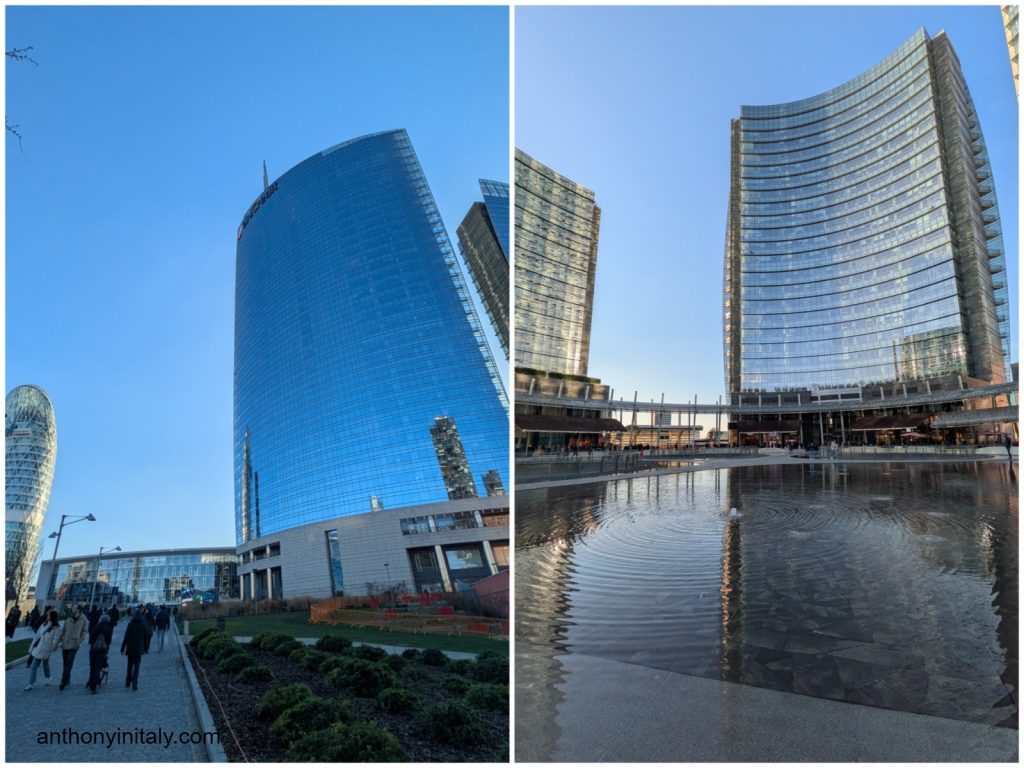
Isola / Porta Nuova — trendy and international, good for meeting people, close to the Blue Note jazz club and Bosco Verticale (the famous vertical forest building). Rents are higher here but it’s one of the more socially active parts of the city.
NoLo (North of Loreto) — where the creative crowd moved after Isola got expensive. Cheaper, more culturally mixed, younger. Think of it like Milan’s Brooklyn — scrappier and more interesting, centered around Piazza Morbegno and stretching along Via Padova.
I’ve stayed near Centrale (the main train station) and it’s honestly not bad despite what people say about that area. Don’t write it off.
Hostels
Yellow Square Hostel — near Porta Romana, about 12 minutes from the Duomo by metro. Not dead center, but not inconvenient either. The common area doubles as a coworking space, so you’ve got locals in there during the day alongside travelers. It’s on the smaller side, which means you actually end up talking to people. (book here)
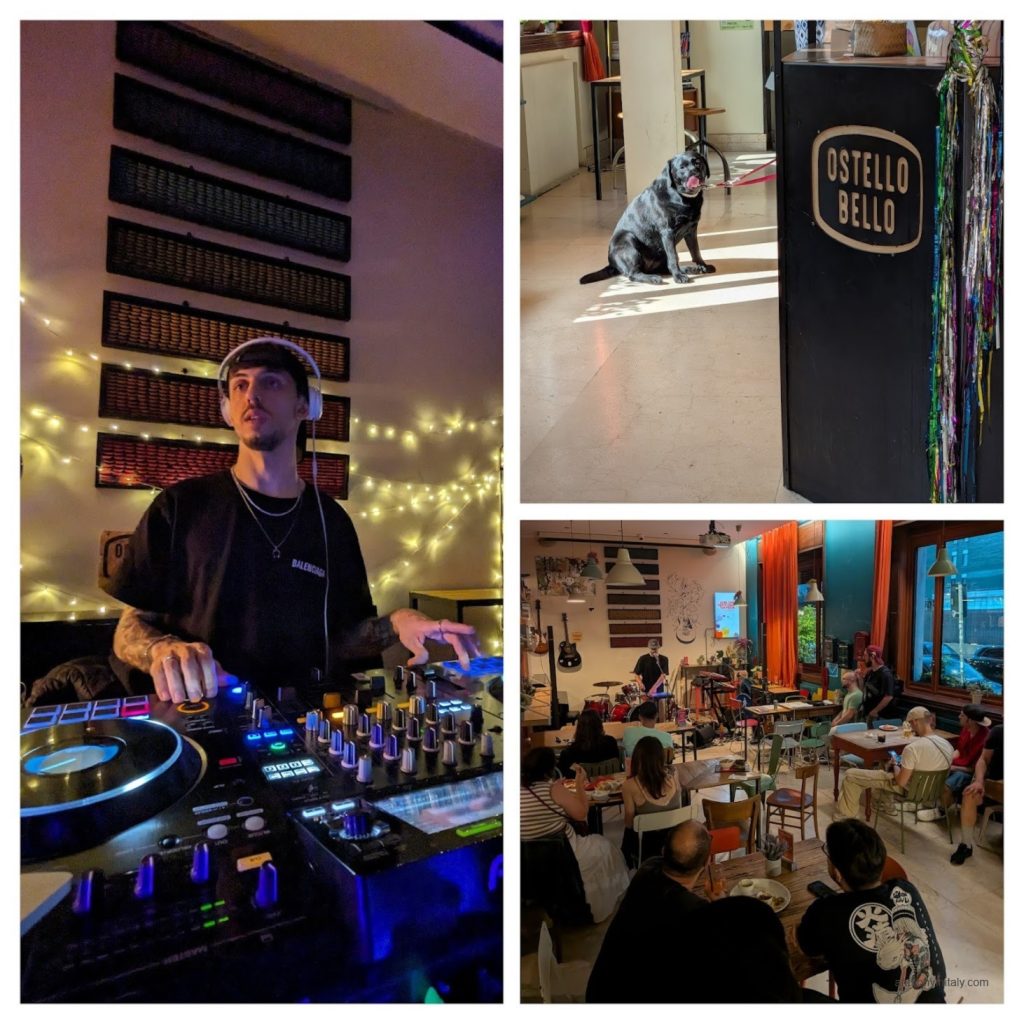
The event space downstairs is what separates this location. Regular concerts, Italian stand-up, karaoke — and hostel guests get in free. The lineup pulls locals in too. The night I stayed, a local guy was celebrating his birthday, and somehow me, his group, and a handful of other hostel guests ended up 20 people deep at a karaoke bar down the street. One of those nights you don’t plan for.
Milan has a reputation for being cold. This hostel works against that.
Ostello Bello Duomo — calmer than Centrale, more of a coffee shop feel. Free coffee, rooftop terrace, good common areas, and the location is hard to beat if you’re spending most of your time around the Duomo and the Galleria. Good option if you want the Ostello Bello quality without the noise. (book here)
Ostello Bello Centrale — I’ve stayed here. This is the more social one. Rooftop terrace, backyard, bar, free food, live music, DJ sets. The kind of place where you actually meet people. Right next to the main train station, which makes getting around — or getting out of the city — straightforward. Runs a bit louder, but that’s the point. (book here)
Hotels
Hotel Metrò (budget) — near the Wagner Metro stop, direct line to the Duomo and most of the city. Rooftop breakfast terrace, clean rooms, friendly staff. Request a room away from the front if you’re a light sleeper — tram noise. Solid value for Milan. (book here)
iQ Hotel Milano (mid-range) — close to Centrale, easy metro and train access. Modern rooms, spa and fitness center, good breakfast. Well-staffed and well-located. Comfortable without overthinking it. (book here)
Palazzo Segreti (splurge) — boutique, central, stylish without being cold. Spacious bathrooms, breakfast that goes beyond expectations, staff that actually gives good restaurant recommendations. If you want something that feels like Milan rather than just a hotel in Milan, this is the one. (book here)
Where to Eat
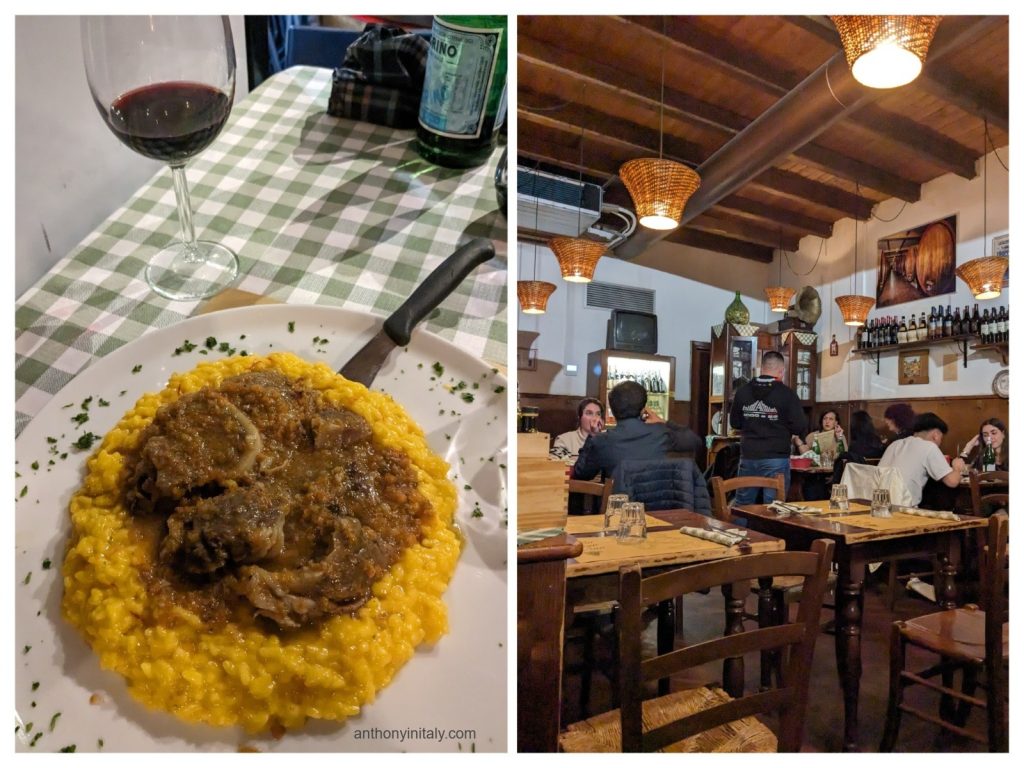
Amici Miei on Via Bligny (Google Maps link) — this is where you come for ossobuco on saffron risotto. It’s the Milan dish done right.
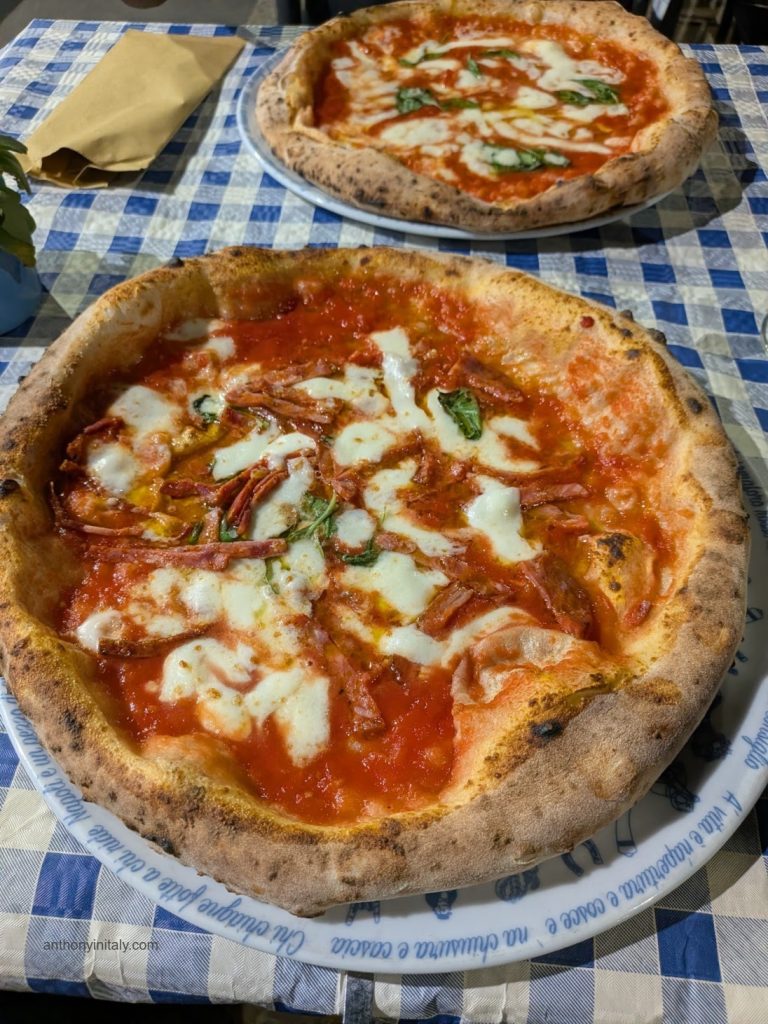
Fratelli Coppola on Via Alfredo Cappellini — Neapolitan-style pizza that actually stood out. In Milan, that’s not a given. I’d go back (map).
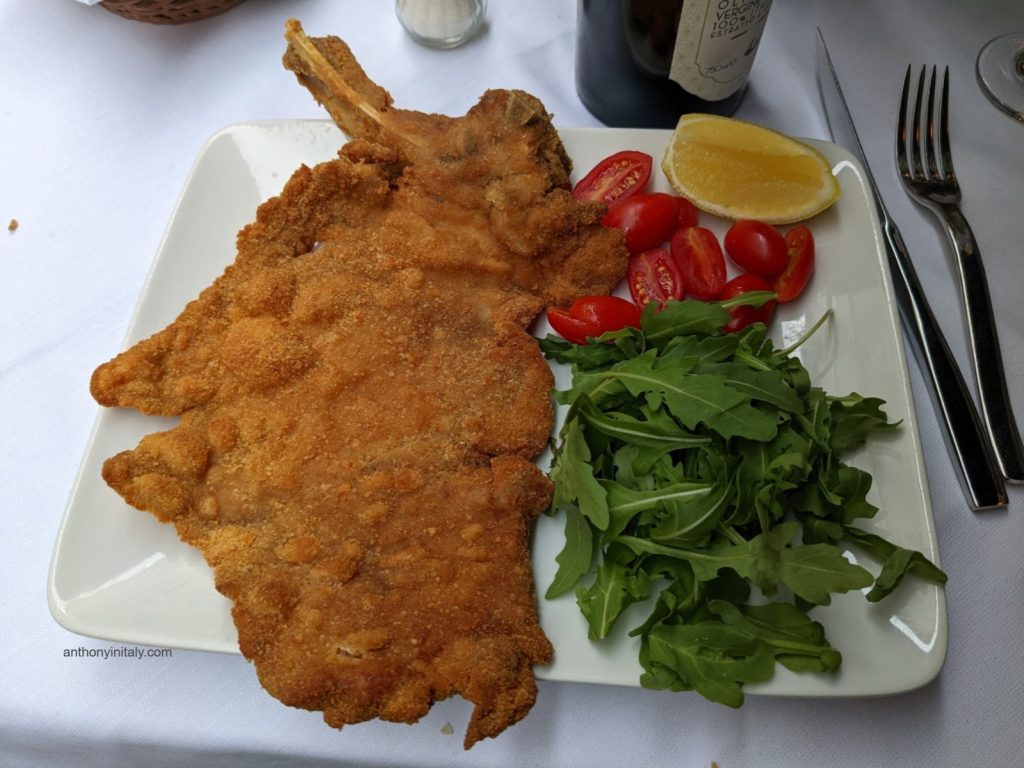
Cotoletta alla Milanese — bone-in, breaded, pan-fried veal cutlet. Honestly? A little overrated. But it’s a Milanese staple and you should try it at least once. Order it, eat it, form your own opinion.
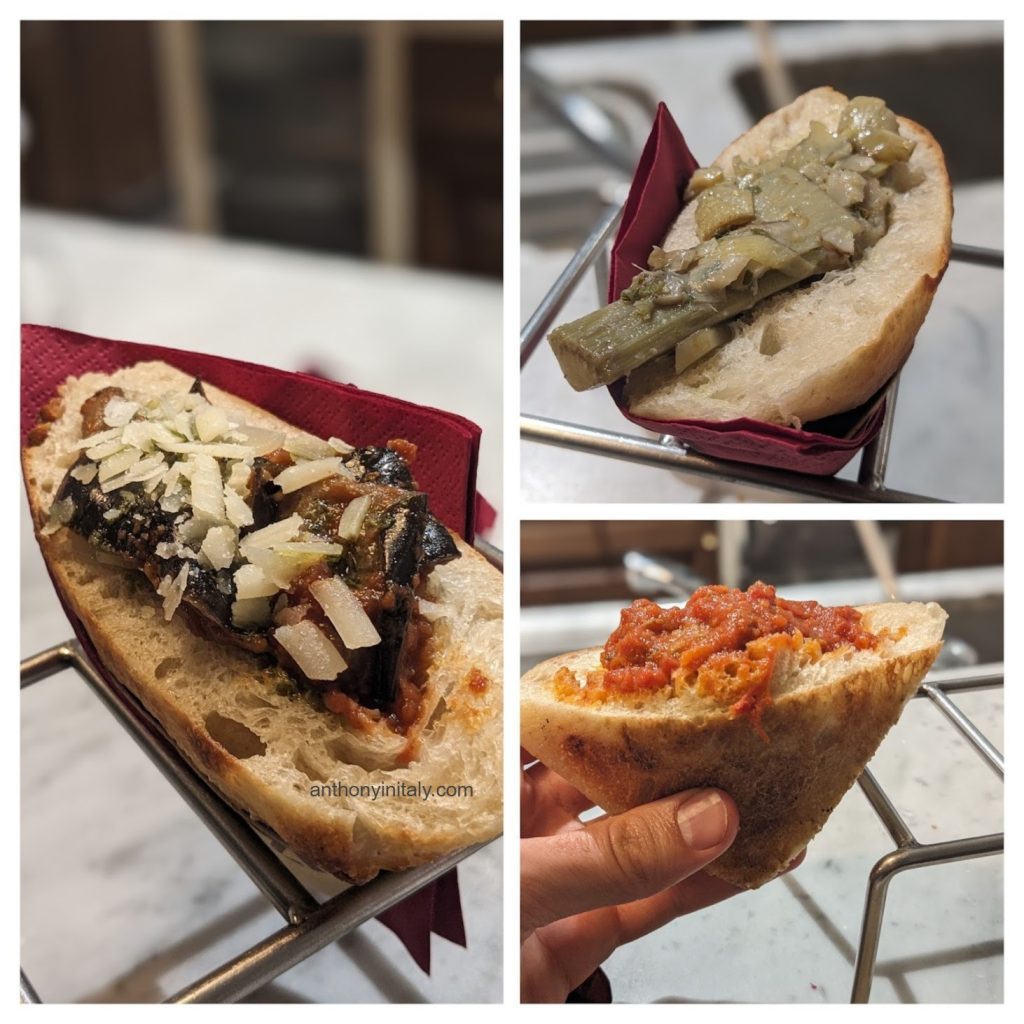
Trapizzino — a Roman street food concept that works anywhere. Pizza bianca stuffed with slow-cooked fillings. The polpette al sugo is the move, but the eggplant and artichoke are both worth trying if you’re getting a few. There are several locations in Milan. I went to the one in Porta Romana (map) but there’s also one in Marghera and Navigli.
If you want something a little more out of the ordinary: Ma Che Ce Frega (map) is a Roman restaurant, and after dinner service ends (around 11pm), it turns into a karaoke bar downstairs in the basement. That’s a fun night if you’re into that kind of thing.
Artico Gelateria — two locations worth knowing: one in Isola (map), one more central (map). Fantastic gelato, and in Milan that matters more than people expect.
Worth knowing: Milan has a Chinatown with some of the best Asian food you’ll find anywhere in Italy. For Italy, that’s not nothing.
What to See
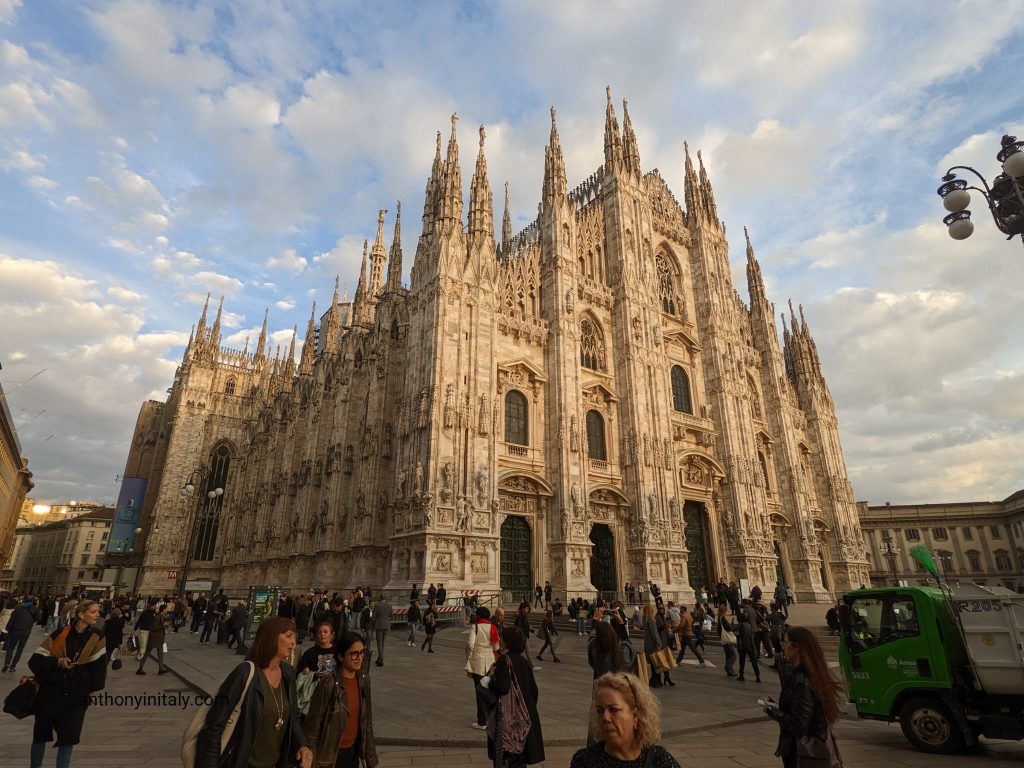
The obvious ones: the Duomo and the Galleria Vittorio Emanuele II right next to it. Walk through Brera. Spend time in Navigli — the canal area. Mag Café is good for cocktails, but honestly just walk up and down the canal and find somewhere to sit. It works during the day and at night.
Go to Porta Nuova if you want to see the modern side of Milan — very different feel from the rest of the city.
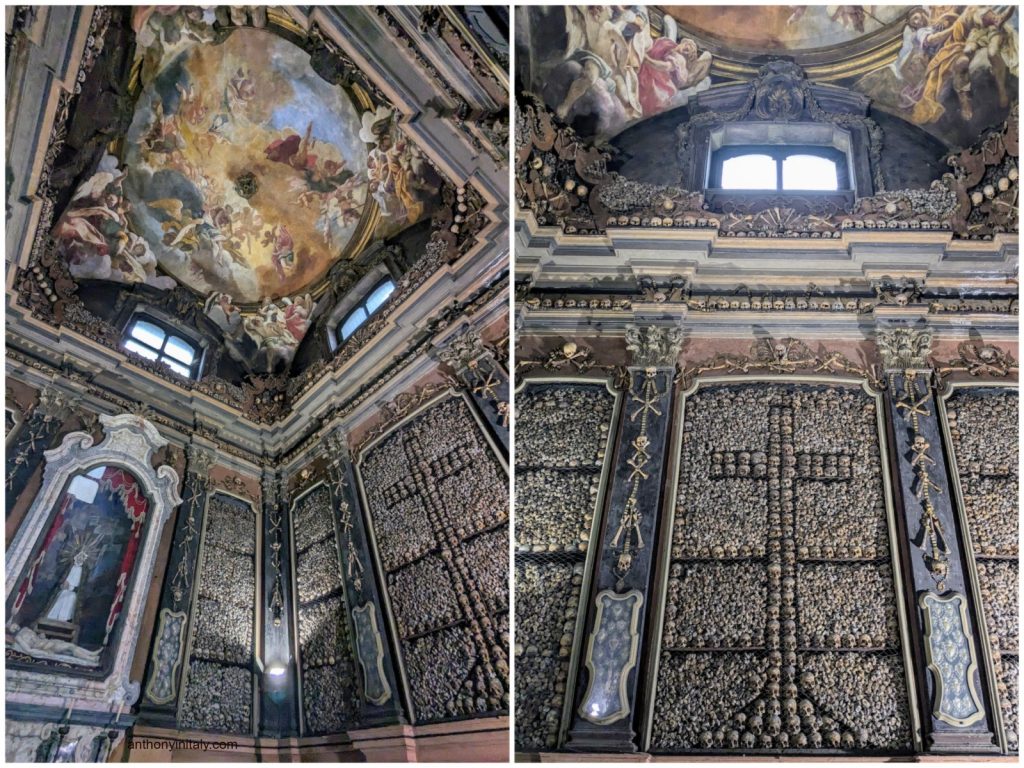
Ossario di San Bernardino alle Ossa (map) — look it up before you go so you know what you’re walking into. Walls lined with skulls and bones beneath a Baroque ceiling. Most tourists never find it. It’s one of those places genuinely unlike anything else in the city.
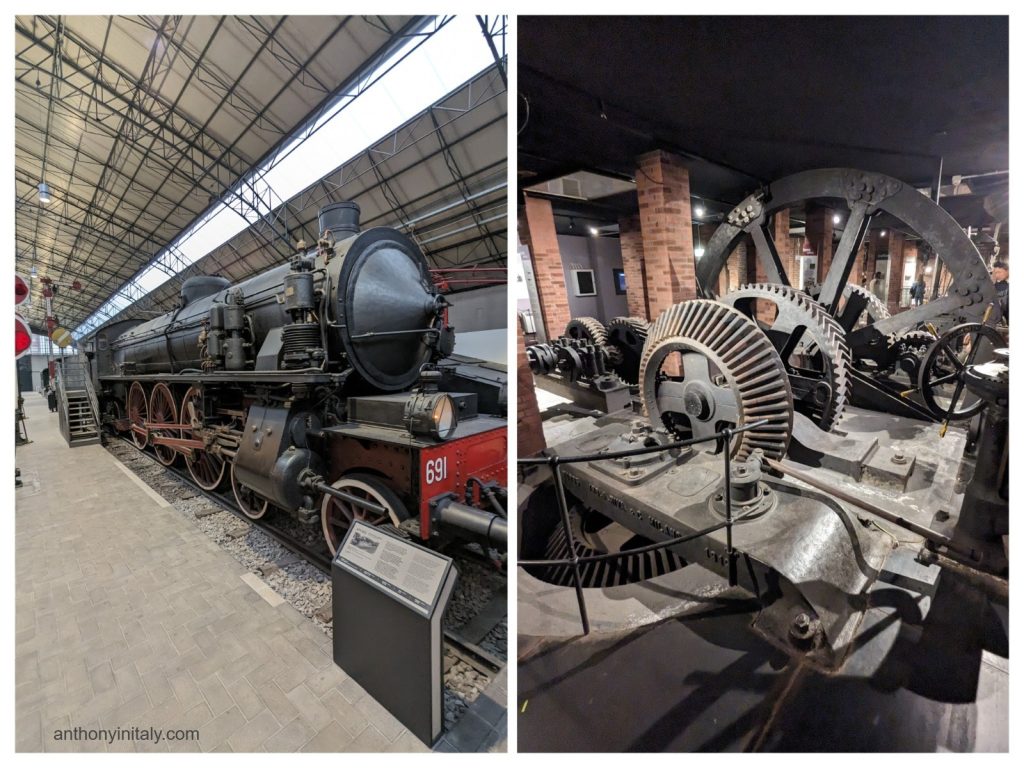
Museo Nazionale della Scienza e della Tecnologia Leonardo da Vinci (map) — one of the largest science museums in Europe, housed in a 16th-century monastery. Full-size trains, submarines, Leonardo exhibit halls. The kind of place you’d never prioritize on a short trip and end up spending half a day in. Wildly underrated.
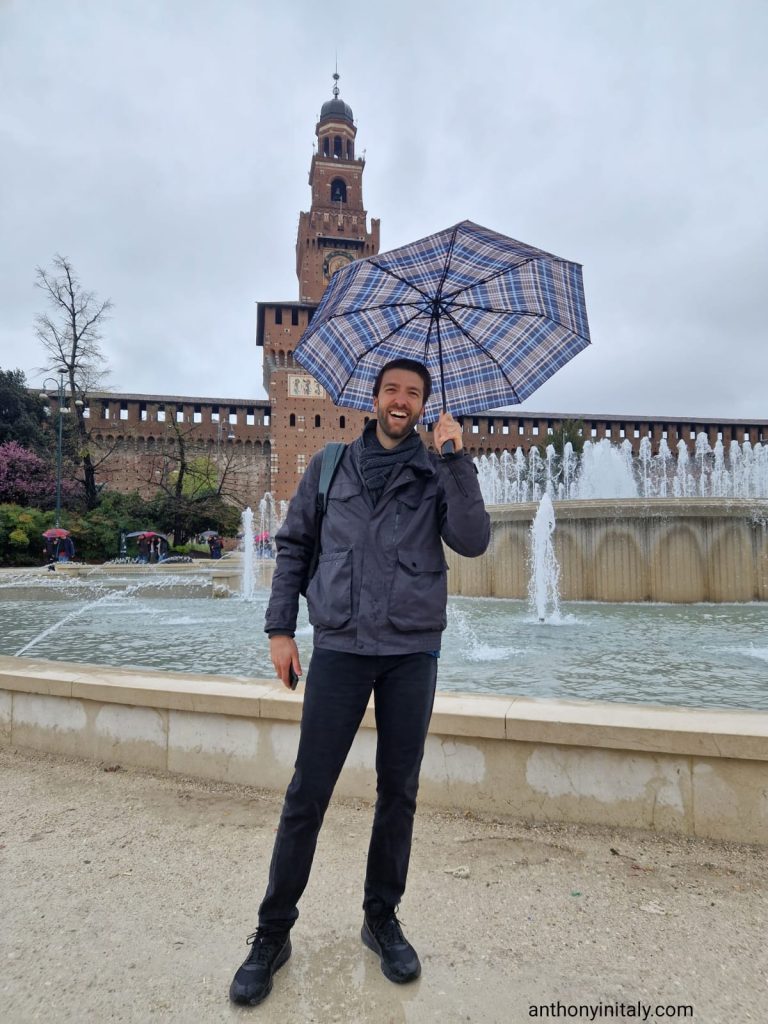
Castello Sforzesco — not the most jaw-dropping castle in Italy, but worth a look if you’re nearby.
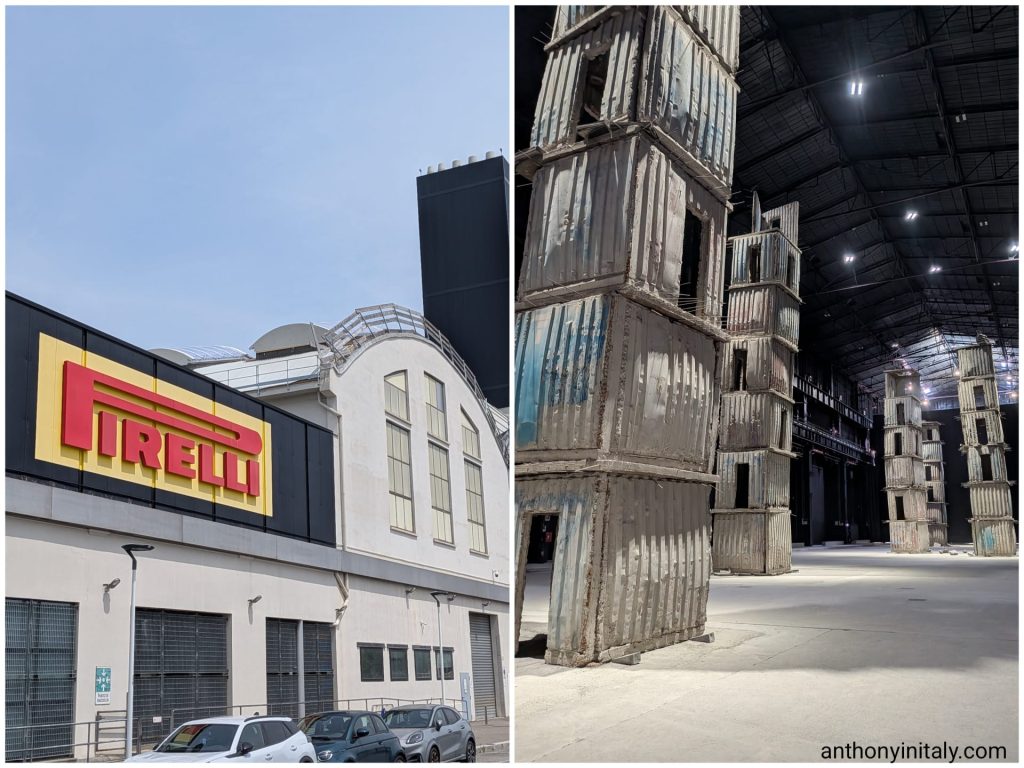
If you have a full day to burn and want something off the main circuit: Pirelli HangarBicocca is outside the center (map), an old industrial space with large-scale art installations. Only worth it if you have time to spare.
Big concerts come through Milan regularly. Events are always happening. And from here, you can get to almost anywhere in northern Italy — and beyond — very easily.
Getting Around
Tap to pay with your card and you’re set. The metro, trams, and buses all work well. Milan is one of the few Italian cities where I’d say don’t stress about transit — it’s straightforward.
Key Takeaways
- Don’t go to Milan for 48 hours and expect to get it. The city reveals itself slowly.
- Base yourself in Navigli, Porta Venezia, or Isola if you want to actually meet people and have a social experience.
- The food scene goes well beyond pasta — and the science and technology museum is one of the most underrated half-days in the country, if you like tech museums.
Written by Anthony Calvanese, an American living in Italy since 2022 who has traveled across all 20 regions.
Planning your own trip? Grab my Italy Trip Reality Checklist to avoid the most common travel mistakes.
Related Content
- Is There Uber in Italy? Ask a Local
- Is Milan Worth It? The Fast City That Rewards Slow Travel
- The Best Hostels I’ve Stayed in Throughout Italy (Updated for 2026)
- The 7 Most Common Scams in Italy (and How to Avoid Them Like a Local)
- 12 Basic Italian Culture Tips You Should Know Before Your Trip
- 11 Must-Know Tips for Dining in Italy from a Local
- Things That Might Surprise You About Traveling in Italy (Even If You’ve Been Before)