
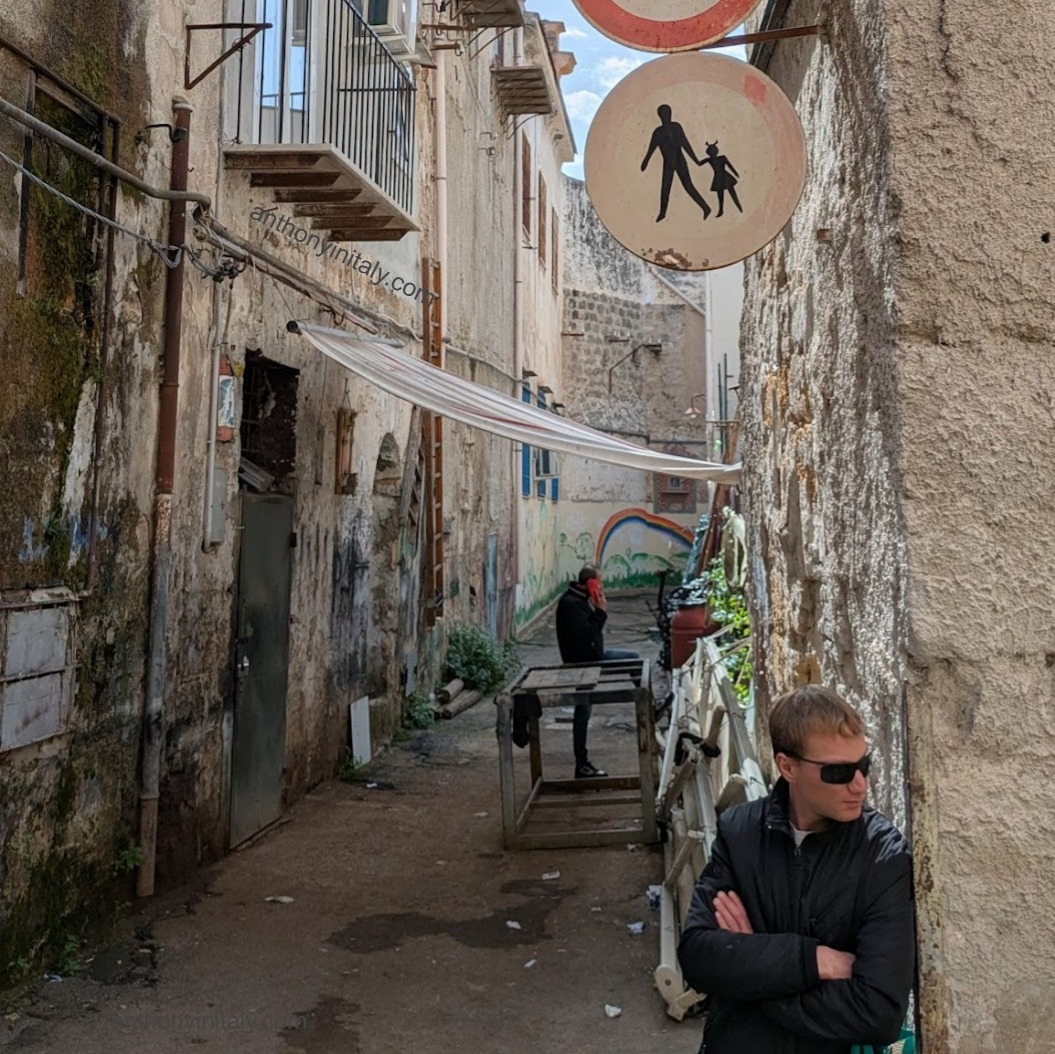
Is Italy Safe for Travelers Right Now? Crime, Scams, and the Truth About 2026
If you’re planning a trip to Italy, you’ve probably heard warnings about pickpockets.
Friends might tell you stories about stolen wallets in Rome. TikTok might show someone chasing a thief in Venice. And somewhere along the way you start wondering:
“Is Italy actually safe for tourists?”
I get this question all the time.
After living in Italy since 2022 and traveling through all 20 regions—from Milan to Palermo—I can give you the honest answer.
Quick answer: Yes, Italy is generally a very safe country for travelers. Violent crime against tourists is rare. The most common issue visitors encounter is pickpocketing in crowded places like train stations, metros, and busy landmarks.
Once you understand where it happens and how it works, avoiding it is surprisingly straightforward.
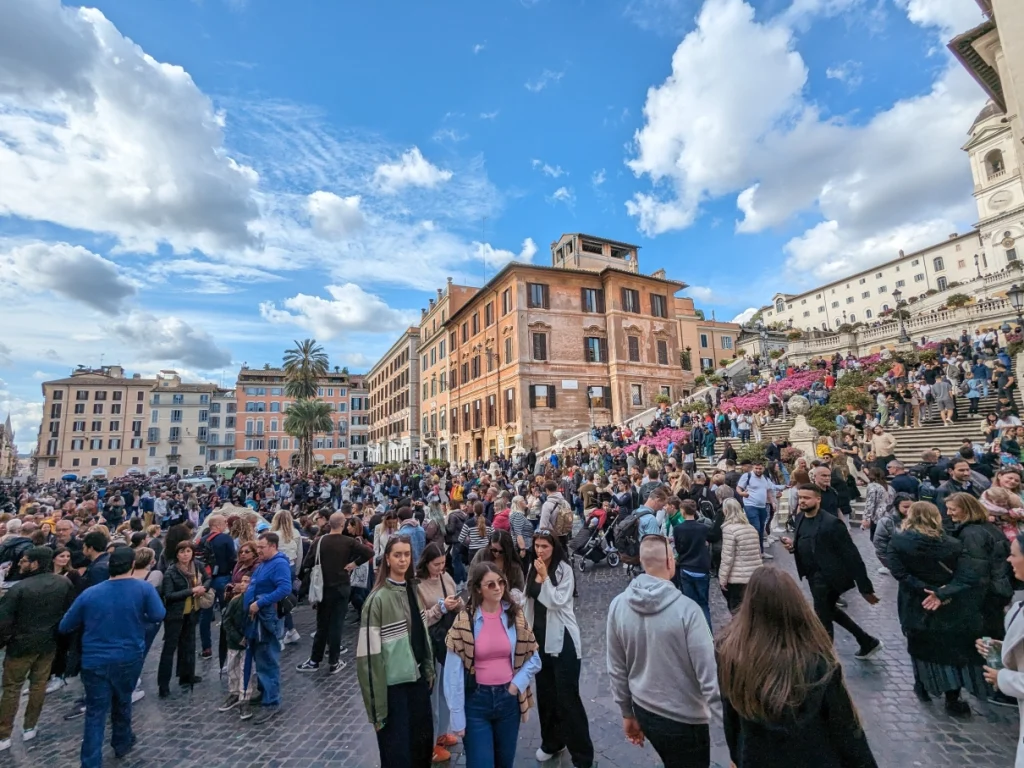
Is There Anti-American Sentiment in Italy Right Now?
This is the real question behind most “is it safe” searches from Americans in 2026.
So let me be direct.
I’m an American living in central Italy. I walk out my door every day, eat at local restaurants, take trains, talk to people. Nobody is treating Americans differently.
Yes, there’s conflict in Ukraine and Iran. Yes, US-Europe relations have been complicated. None of that translates to hostility toward American tourists on the ground. Not in Rome. Not in Florence. Not in the south.
The only exception: university towns like Bologna have active far-left communities. If you walk into a demonstration, you might hear some anti-US sentiment. But they’re not going to confront you as a tourist.
And yes, Italy is geographically closer to the Middle East than the US is. But closer on a map doesn’t mean closer to danger. Italy is a stable western country. The war in Iran is not something you will see, hear, or feel standing in front of the Colosseum.
Every tourist I’ve spoken to recently says the same thing. Italy feels exactly like it always has.
If you’re canceling your trip because of headlines, you’re making a mistake.
Of course, always travel at your own risk and check the official travel advisory for your country before booking. If you’re from the US, that’s this page.
The more realistic safety concerns in Italy have nothing to do with global politics. They look like this.
Why Italy Sometimes Feels “Unsafe” to Travelers
Many travelers assume that hearing about pickpockets means a place is dangerous.
But there’s an important distinction.
Italy has low violent crime but relatively common petty theft in tourist areas.
That means:
- violent robberies are rare
- assaults against tourists are uncommon
- but pickpocketing happens in crowded places
This is the same pattern you see in cities like Paris, Barcelona, and London.
In other words: annoying crime exists, but dangerous crime is uncommon.
How Bad Is Pickpocketing in Italy?
Pickpocketing is the most common crime tourists encounter in Italy.
But it’s important to understand how it actually happens.
Pickpockets usually operate in places with three ingredients:
- Large crowds
- Distracted tourists
- Tight spaces
That’s why incidents tend to occur in:
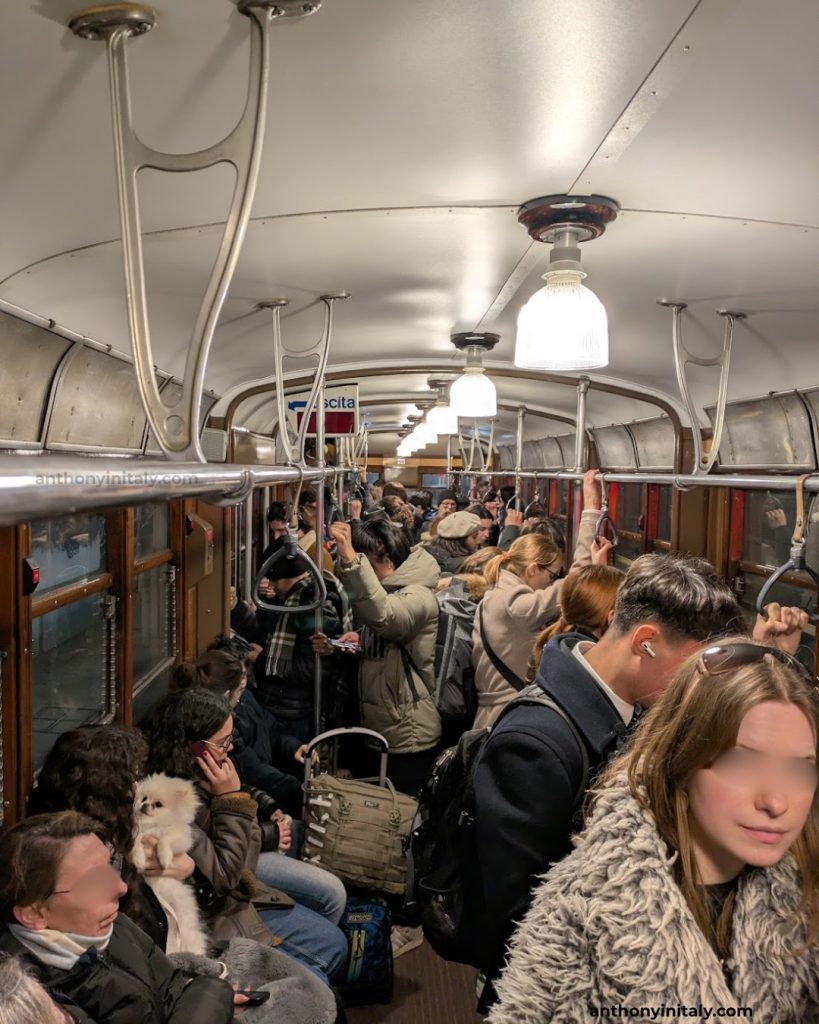
- metro cars
- train stations
- buses
- crowded piazzas
- people boarding or exiting transportation
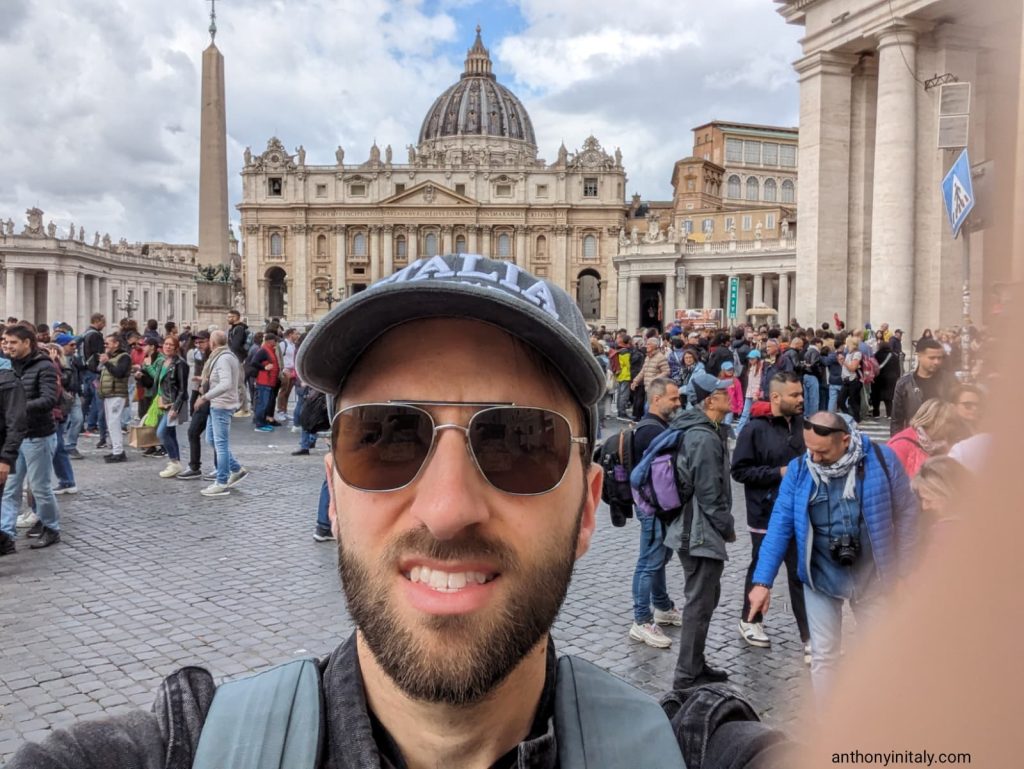
Places like the Trevi Fountain, Rome Termini station, St. Mark’s Square in Venice, and the Colosseum area are classic examples.
Millions of tourists pass through those spots every year. A small number of pickpockets target that opportunity.
Why Are There So Many Pickpockets in Italy?
This is a question people search surprisingly often.
The answer comes down to a few simple factors.
Massive tourism numbers
Italy receives tens of millions of visitors each year. Cities like Rome and Venice can feel like open-air museums packed with travelers.
Where tourists gather in large numbers, pickpockets follow.
Crowded public transportation
Many visitors rely on metros, buses, and trains.
Those environments create perfect conditions for distraction—especially when people are juggling luggage, phones, and tickets.
Nonviolent petty crime culture
Most pickpockets avoid confrontation. They rely on stealth and distraction instead of violence.
If someone notices them, they simply disappear into the crowd.
Tourists carrying valuables
Visitors often carry passports, cameras, and cash all in one place.
That makes tourists easy targets compared with locals.
The Most Common Tourist Scams in Italy
Besides pickpocketing, travelers sometimes encounter small scams in major tourist areas.
These are rarely dangerous—just annoying.
The “free bracelet” or rose
Someone hands you a bracelet or rose and claims it’s free.
Then they demand money.
The solution is simple:
Just say “No grazie” and keep walking.
Distraction pickpocketing
One person asks a question or drops something near you.
While you’re distracted, someone else moves in.
This often happens in crowded train stations or near major attractions.
Taxi overcharging
At airports or train stations, unofficial drivers may quote inflated fares.
Use official taxi apps or agree on a price before entering the car.
Fake tour guides
Outside attractions like the Colosseum or Vatican Museums, people sometimes sell unofficial tickets or tours.
It’s always safer to book tickets online ahead of time.
Simple Habits That Keep You Safe in Italy
The good news is that avoiding problems in Italy usually comes down to a few basic habits.
Don’t keep valuables in your back pocket
This is the easiest mistake tourists make.
Keep wallets and phones in front pockets or zipped bags.
Stay aware in crowded places
When I enter a packed metro or walk through a busy piazza, I naturally keep a hand near my wallet or phone.
It becomes second nature.
Use a secure bag
Crossbody bags or zipped backpacks worn in front are much safer than open tote bags.
Carry only what you need
Most days you only need:
- one credit card
- some cash
- your phone
- your passport
Everything else can stay at your accommodation.
Walk confidently
Pickpockets prefer distracted travelers who look unsure of where they’re going.
Confidence alone discourages many attempts.
Is Italy Safe Compared to Other Countries?
In terms of violent crime, Italy is generally safer than many large cities around the world, including parts of North America.
Most travelers spend days wandering cities, eating in restaurants late at night, and exploring historic neighborhoods without issues.
The biggest safety adjustment for visitors is simply learning to stay aware in crowded places.
Key Takeaways
- Italy is generally very safe for tourists, especially regarding violent crime.
- The main issue travelers encounter is pickpocketing in crowded areas.
- A few simple habits—zipped bags, avoiding back pockets, ignoring street sellers—prevent most problems.
Final Thoughts
Safety concerns often sound scarier online than they feel once you’re actually in Italy.
Yes, pickpockets exist. But they’re predictable and easy to avoid once you understand how they operate.
What most travelers remember instead are long dinners, historic streets, and wandering through piazzas late at night with gelato in hand.
What I’ve Learned Living Here
After several years living in Italy, the biggest difference I notice between locals and tourists is mindset.
Locals aren’t constantly worried about crime—they’re simply aware of their surroundings.
Once you adopt that same approach, traveling here becomes easy.
Written by Anthony Calvanese, an American living in Italy since 2022 who has traveled across all 20 regions.
Planning your own trip? Grab my Italy Trip Reality Checklist to avoid the most common travel mistakes.
Once you’ve got the safety basics down, the next step is making sure your route and pacing actually work. I put together a realistic 10-day Rome-Florence-Venice itinerary if you need a solid starting point.