
Things That Might Surprise You About Traveling in Italy (Even If You’ve Been Before)
Quick answer: Italy delights and frustrates in equal measure — and that contrast is part of why travelers fall in love with it. From shockingly good gluten-free pizza to unexpectedly brutal walks, here are the real things that catch visitors off guard — straight from those who’ve just been.
Disclaimer: This post contains affiliate links. If you use these links to buy something I may earn a commission. I will only recommend products and services that I would [or currently use] myself.
Key Takeaways
- Expect to walk 20,000+ steps daily — and that doesn’t even include museum wandering.
- Famous food spots might underwhelm, while no-name trattorias often blow people away.
- Italy isn’t “efficient,” but it’s deeply alive — plan less, experience more.
The Food Isn’t Always Where You Think
Tourist Traps Can Be Tasty
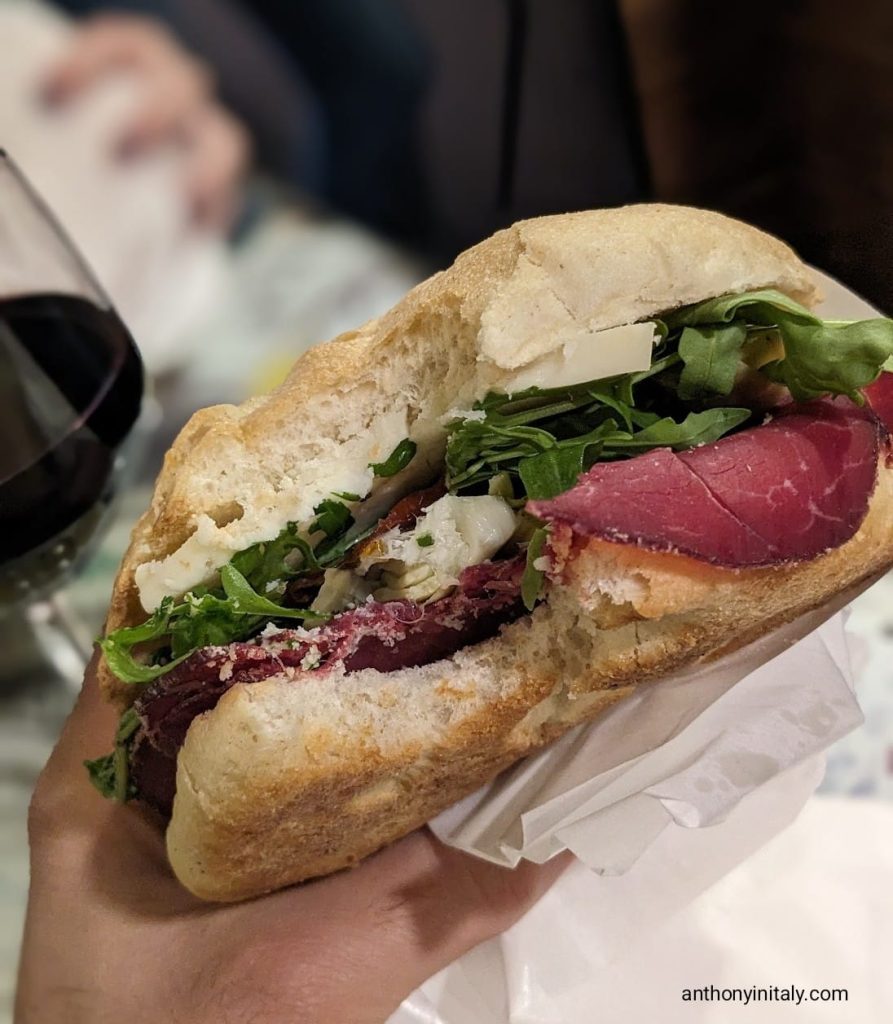
People love to say “avoid tourist traps.” But in Italy, some hole-in-the-wall places near major sites serve shockingly great meals. One traveler ate at a “sad-looking pasta shop” and called it their best meal of the trip. Meanwhile, hyped spots like All’Antico Vinaio in Florence often disappoint with dry bread and long waits. My favorite Antico Vinaio alternative? Il Bufalo Trippone.
Takeaway: Don’t judge by appearance or location. If a place smells good and locals are eating there, you’re probably in for something solid.
Gluten-Free? You’ll Be Fine
If you’re gluten-free, Italy might actually be easier than the U.S. Travelers consistently rave about the pizza and pasta options labeled “senza glutine.” There are even gluten free pasta-making classes in Italy – book one in Florence here.
Florence Feels Fancy
Multiple visitors mentioned feeling underdressed in Florence restaurants. Pack at least one nice outfit if you want to blend in, especially for dinner.
You’ll Walk Way More Than You Think
Most people report walking 10–15 miles a day without planning to. Rome, Venice, and Florence are extremely walkable, and often walking is faster than public transport.
But it’s not just distance that gets you — it’s cobblestones, stairs, and steep climbs. Even fit travelers were surprised by the uphill hike to San Luca in Bologna.
Pro tip: Don’t underestimate the wear and tear on your legs. Bring the most supportive shoes you own.

Trains Are Great. Until They’re Not
Italy’s rail system is impressive, but also deeply human. Here’s what caught people off guard:
- Confusing signage at Naples Centrale led to missed trains. Note: Naples Centrale (the train station) and Napoli Piazza Garibaldi (the subway/metro station) are basically on top of eachother, but give yourself at least 10 minutes between them if you have to transfer.
- Malpensa Express has no WiFi — stressful if you’re trying to buy tickets last-minute.
- Some metro lines skip stops without warning.
- Train station WiFi often requires phone verification, which doesn’t work with many foreign SIMs. Just assume train stations will never have WiFi. Trust me.
That said, people love the ferries around Naples and Sorrento — more comfortable than trains, surprisingly.
Heat, A/C, and the Clothing Regret
Most travelers underestimate how hot and sweaty Italy gets — even in May and September. Common regrets:
- Packing too many pants.
- Not bringing enough shorts.
- Assuming hotels would have strong air conditioning. See my separate post Does Italy Have Air Conditioning in 2026? What Travelers Should Know Before You Go
Even stylish hotels in Florence may have tiny elevators or A/C that barely chills the room. And yes, clothes will get dirty fast thanks to cobblestones and sweat.
Takeaway: Pack light, breathable clothes and assume you’ll rewear or wash mid-trip.

Rome and Venice Are Full of Contrasts
Rome
- Surprisingly walkable and safe, even at night.
- Trevi Fountain isn’t just crowded — it literally causes pedestrian traffic jams.
- Entering Palatine Hill from the “back” can skip lines and save time.
Venice
- Early mornings are magical. Fog makes the city feel dreamlike.
- Water buses (vaporetti) are calmer and easier than most tourists assume.
- Construction barriers are common even at major sites.
Unexpected highlight: Cheap spritzes. Seriously — a €3 Aperol Spritz is normal in Venice. Just know they make them shorter but stronger in Venice – and often with an olive.

Booking in Advance Isn’t Optional
People who didn’t book timed museum entries or skip-the-line tickets in advance often lost hours to standing in queues. Major sites like the Uffizi, Colosseum, and Vatican regularly sell out.
Also good to know:
- Many public bathrooms require €1 coins and are not the cleanest.
- SIM cards (especially from TIM) are confusing to buy at stations vs. online.
- Public water fountains (especially in Rome) are everywhere and usually offer cold, clean water.
Locals Are Warmer Than You Think
Many travelers — especially people of color or those nervous from social media fear-mongering — were surprised by how welcoming Italians were. Author’s note – I’m a white guy. I can only share what I’ve heard from others.
- Street vendors are persistent but not dangerous.
- A little Italian goes a long way.
- People may stare, but often it’s more about novelty (like seeing a blonde American) than malice.
Dogs wandering around piazzas? Apparently a surprisingly charming memory for many.
Museums: Hit or Miss (But Mostly Hit)
Some guided tours were called out as the trip highlight — especially:
- Vatican breakfast tours (book here)
- Colosseum night visits (book direct here – tickets usually released 30 days in advance)
At the same time, some “must-see” sites underwhelmed. The Baths of Caracalla in Rome (link) and Palazzo Colonna (link) were widely praised as overlooked gems.
Pro tip: Trying to do more than 3 major museums in one day will drain you. Time entries force you to pace yourself — lean into that.
What Travelers Didn’t Expect to Love
- Foggy mornings in Venice
- Quiet early walks in Rome
- Rooftop views instead of long climbs
- Simple meals in sleepy piazzas
- Random free concerts
- Sandwich shops stumbled upon while lost
Final Thoughts
Italy rewards curiosity more than perfection. The more you loosen your grip on the checklist, the more you’ll fall into the moments you’ll actually remember.

What I’ve Learned Living Here
After years of living and traveling across all 20 regions of Italy, I can tell you this: Italy works on a different rhythm. It’s not built for efficiency. It’s built for feeling. Once you embrace that, the small surprises become the reason you come back.
Written by Anthony Calvanese — an American living in central Italy since 2022 who’s visited all 20 Italian regions.
👉 Planning your own trip? Grab my free Italy Trip Checklist here.
Related Content
- The 7 Most Common Scams in Italy (and How to Avoid Them Like a Local)
- Venice Recommendations that Don’t Suck
- Trieste Recommendations
- My Favorite Apps for Traveling in Italy
- Amalfi Coast Recommendations
- Rome Recommendations
Is it normal to walk over 20,000 steps a day in Italy?
Yes — especially in cities like Rome, Florence, and Venice. They’re incredibly walkable, and you’ll likely clock 10–15 miles a day without even realizing it. Bring supportive shoes and expect to be on your feet a lot.
Does Italy have air conditioning?
Technically yes, but it’s not always what Americans expect. Many hotels have weak A/C or none at all, and even fancier places can feel stuffy in summer. Always check if your hotel or Airbnb has it — and assume you’ll be sweating a bit.
Are famous food spots in Italy worth it?
Sometimes. Places like All’Antico Vinaio get mixed reviews — some people love it, others say it’s all hype. In my experience (and others’), the best meals are often at no-name trattorias you stumble into when you’re tired and hungry.
Do I really need to book museums and attractions in advance?
Absolutely. Major spots like the Vatican, Uffizi, and Colosseum can sell out days (or weeks) ahead. Booking ahead saves hours of standing in line — and lets you actually enjoy your day.
Will Italians be rude if I don’t speak Italian?
No. Most people are kind and patient — especially if you make even a small effort to say “buongiorno” or “grazie.” Speaking a little Italian goes a long way in making the interaction warmer.