
Driving Manual in Italy: Why I Learned Before I Moved (Not After)
I didn’t know how to drive stick before I moved to Italy.
That’s not unusual if you’re coming from the US, where automatics are everywhere and most people never touch a clutch in their life. But I knew I was moving here permanently, not just visiting for a week, and I’d read enough about how rental cars work in Italy to know that assumption doesn’t travel well. So before the move, while I was still stateside, I traded my car for a cheap manual, with some help from a friend to get started, and drove it as my regular car for about three months. By the time I landed in Italy, driving stick wasn’t a new skill I was managing, it was just how I drove. Four years and all 20 regions later, I still think it’s one of the more practical things I did before the move.
Quick answer: Yes, you can usually find an automatic rental car in Italy, but manual is the default. Around 80% of the rental fleet is stick shift, and automatics get scarcer (and pricier) in peak summer months. If you’re coming for a week or two, don’t bother learning manual for the trip, just book and confirm an automatic. But if you’re relocating or spending extended time here and know you’ll be relying on rental cars, it’s worth actually learning stick beforehand, and giving yourself real time behind the wheel, not a crash course the weekend before you fly out.
Why almost every rental car in Italy is manual
This trips up a lot of Americans because it’s the exact opposite of home. In the US, automatic is the default and you have to specifically request manual, usually from a very limited selection. In Italy, it’s flipped: manual is what shows up unless you pay extra and book early for an automatic.
Part of this is just cost. Manual transmissions are cheaper to buy and maintain, and fuel efficiency matters more here with gas prices well above US levels. Part of it is culture. Driving stick isn’t a novelty skill in Italy, it’s just how you learn to drive, full stop. Automatic is becoming more common, especially with the shift toward hybrids and EVs, but it’s still very much the exception rather than the rule.
Takeaway: Don’t assume you’ll get an automatic just because you request one. Book it specifically, book it early, and expect to pay a premium, especially from June through August, when the smaller automatic fleet gets picked over fast.

Automatics exist, but they’re not guaranteed (or cheap)
If you search “rent a car in Italy” you’ll find automatics available in most cities, but the selection thins out fast once you get outside major airports, and it thins out even more in summer when demand peaks and every other tourist had the same idea you did. I’ve seen people show up to a rental counter with an automatic reservation, only to be told the only one left is a larger, more expensive category. Take it or drive stick.
If your trip depends on not driving manual, don’t leave it to chance. Book directly through the rental company (not just an aggregator), confirm the transmission in writing, and call ahead a few days before pickup to reconfirm. It’s not foolproof, but it cuts down the odds of a surprise.
Takeaway: An automatic reservation in Italy is a request, not a guarantee. Confirm it multiple times, especially in summer.
Should you actually learn manual for this?
Let’s be clear about who this is for, because it’s not everyone. If you’re coming to Italy for a week or two on a normal vacation, you do not need to learn how to drive stick. That’s a lot of effort for a short trip. Just confirm an automatic when you book, reconfirm it a few days out, and if it falls through, get a taxi or take the train instead of white-knuckling a rental car you’re not comfortable in.
Where it actually makes sense is if you’re relocating to Italy, doing an extended stay, or you already know you’ll be leaning on rental cars regularly, not just once. In that case, being locked out of 80% of the fleet, or stuck paying a premium every single time, adds up fast. That’s the situation I was in, and it’s the reason I learned.
Why I chose to learn in the US, not in Italy
I could have just white-knuckled it and learned manual after landing. Plenty of people do. But I didn’t want to stack “learning a completely new physical skill” on top of “driving in a foreign country for the first time,” and Italy is not a gentle place to fumble through stalling at a light.
Italian drivers are efficient and impatient, not reckless, just fast-moving and unforgiving of hesitation. Add in narrow medieval streets built for carts, not cars, hill towns where you’re starting on an incline at a stop sign, and road signage that doesn’t match anything you grew up reading, and you’ve got a lot of variables to juggle at once. Learning the clutch, the biting point, hill starts, all of it, is stressful enough in a familiar place with signs you understand and drivers who’ll usually wait an extra second. Doing it here, on top of everything else that’s new, would have made the first few months harder than they needed to be.
Takeaway: If you’re going to learn manual, do it somewhere low-stakes. Adding a new skill on top of a new country, new language, and new roads is a lot to handle at once.
How I actually did it
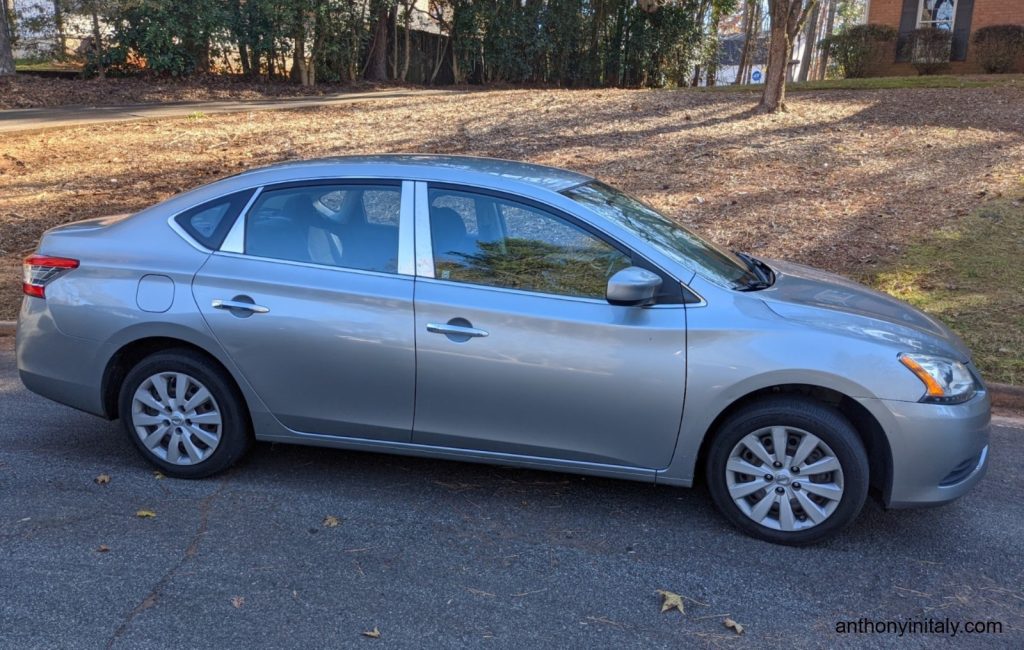
I wasn’t planning on buying a car in the US just to learn manual, but I also didn’t want to get stuck if I ever needed to rent a stick shift in Italy and had no idea what I was doing. So I traded my automatic for a cheap manual before the move, with some help from a friend to get started. I drove that car as my daily driver for about three months before I left. That wasn’t a weekend crash course, it was three months of actually living with a clutch: commuting, hill starts, city traffic, all of it, until it stopped being something I had to think about.
That’s the level I’d recommend if you’re actually going this route. Renting a manual for a weekend or taking a couple of lessons might get you through the mechanics, but “technically able to operate a manual” and “comfortable enough to do it on unfamiliar Italian roads” are two different things. If you’re going to put in the effort, put in enough of it that it’s second nature by the time you land.
Takeaway: Don’t treat this like a box to check the weekend before your flight. Give yourself real time, weeks or months, driving a manual as your regular car, so it’s genuinely natural before you need it here.
Was it worth it?
Completely. It saved me from being limited to a smaller, more expensive pool of rental cars every time I’ve needed one, and honestly, driving stick is just more fun once you’re comfortable with it. You feel more connected to the car, especially on the kind of winding coastal or hill roads Italy has in abundance. It took real time to get there, not a weekend, but for someone actually living or traveling long-term here and relying on rental cars, that investment paid for itself many times over.
If you’re moving here, not just visiting: the license situation
This part matters more than most people realize, and it’s separate from the rental car question. If you’re relocating to Italy rather than just visiting, your International Driving Permit only covers you temporarily. After a year of residency, Italian law requires you to have an actual Italian driver’s license to legally drive here. Once your IDP expires, your options are Italian driving school and the Italian driving test, unless your home country has a specific conversion agreement with Italy that lets you convert your existing license instead. Not every country has one, and not every US state does either, so this is worth researching for your specific situation well before your first year is up.
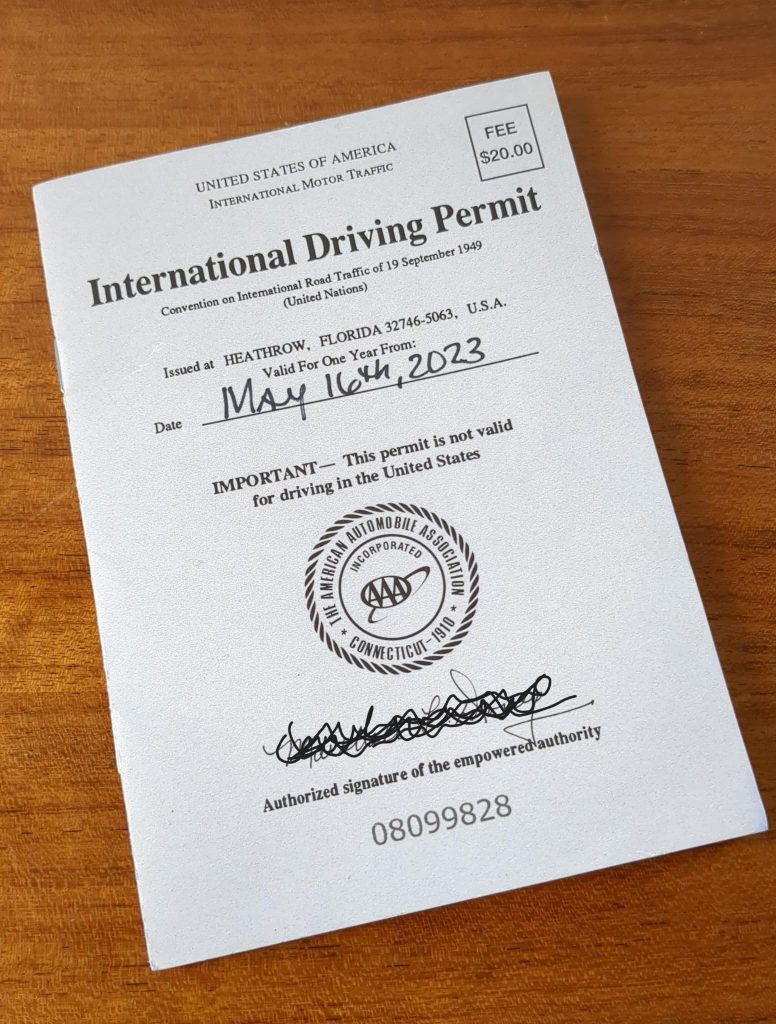
This is a completely different process from renting a car for a two-week trip, but if you’re planning a longer stay or an eventual move, it’s the kind of detail that’s easy to miss until it becomes a deadline.
Key Takeaways
- Manual is the default in Italy. Roughly 80% of rental cars are stick shift, and automatics get scarcer and more expensive as summer approaches, so don’t assume one will be available just because you booked it.
- If you’re visiting for a week or two, don’t bother learning manual, just confirm an automatic and have a backup plan (taxi, train) if it falls through. If you’re relocating or will be relying on rental cars long-term, it’s worth learning stick for real, over weeks or months, not a weekend crash course.
- If you’re moving to Italy long-term, know that your International Driving Permit is temporary. After a year of residency you’ll need an Italian license, through conversion (if your country qualifies) or through Italian driving school and testing.
Final Thoughts
This is one of those details that sounds small until it isn’t. Nobody plans a trip to Italy around transmission type, but it shapes what cars are available to you, what you’ll pay, and how stressed you’ll be the first time you’re merging into a roundabout. Handle it before you land, and it becomes a non-issue. Ignore it, and it becomes the thing you’re white-knuckling through on day one.
What I’ve Learned Living Here
Four years in, the pattern holds for more than just driving: the small, unglamorous prep work you do before you move to Italy is what makes the actual experience feel easy instead of chaotic. Nobody posts about learning stick shift in a Walmart parking lot, but it’s exactly the kind of unsexy decision that pays off every single time I need to rent a car here. Italy rewards people who take care of the boring logistics ahead of time, so they’re free to actually enjoy the parts that aren’t boring at all.
Written by Anthony Calvanese, an American living in Italy since 2022 who’s traveled to all 20 Italian regions.
Planning a move to Italy, not just a visit? Grab my Long-Stay Italy Essentials guide, everything I actually use living here, including the driving and licensing side of things. If you’re planning a shorter trip and want to make sure you’re not overcomplicating your itinerary before you book anything, grab my free Italy Trip Reality Checklist first.
Related Reading
- 12 Essential Tools Before You Move to Italy
- For the Love of Italian Train Travel
- The Real Cost of Living: Italy vs. USA
- Quitting My Job, Selling My House, and Moving to Italy
- I Traveled to All 20 Italian Regions | Here Are My Thoughts
FAQ
Q: Can I rent an automatic car in Italy? A: Yes, but don’t assume it’ll be available. Automatics make up a much smaller share of the rental fleet, and that share shrinks further in summer. Book early, confirm directly with the rental company, and reconfirm a few days before pickup.
Q: Do I need an Italian driver’s license to drive in Italy as a tourist? A: No. For a short visit, your home country’s license plus an International Driving Permit is generally what you need. The Italian license requirement kicks in if you become a resident: after a year of residency your IDP is no longer valid and you need an Italian license or a conversion, depending on your home country’s agreement with Italy.
Q: Is it hard to learn manual specifically for driving in Italy? A: Not if you learn it somewhere low-pressure first, and give yourself real time to get comfortable, not just a weekend. The skill itself isn’t unique to Italy, but Italy’s narrow streets, hills, and fast-moving traffic aren’t a forgiving place to learn it for the first time. Only worth doing if you’re relocating or planning to rely on rental cars long-term. For a short trip, just book an automatic.